








How Firefighting Thermal Imaging Cameras Improve Apartment and High-Rise Fire Response
Release Time 2026-07-13
Apartment buildings and high-rise towers present unique challenges for fire and rescue operations. Multi-story structures, long, narrow corridors, enclosed stairwells, poor visibility, and the presence of large numbers of residents make rescue missions in such buildings far more difficult than those involving fires in smaller buildings.
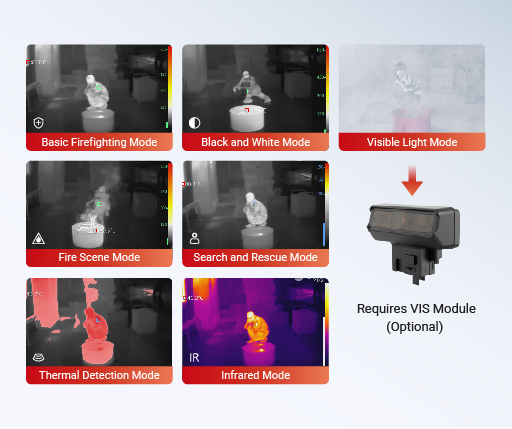
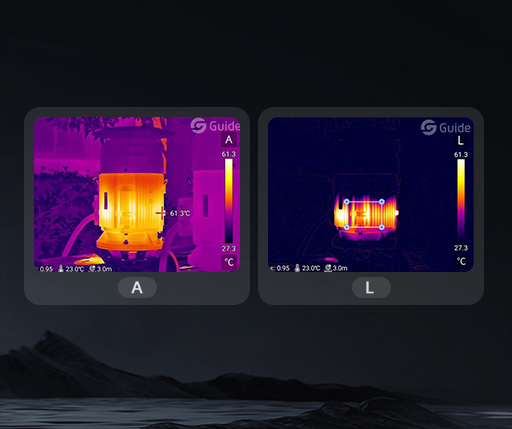
Firefighting thermal imaging cameras provide firefighters with valuable thermal image that reveal heat patterns invisible to the naked eye. By displaying heat patterns in real time, these devices help rescuers locate areas with abnormal heat patterns and identify potential fire sources, identify evacuation routes, and make faster decisions during emergency responses.
Quicker Identification of the Fire Floor
In high-rise buildings, smoke spreads through stairwells, ventilation systems, and elevator shafts, making it hard to determine which floor is the primary source of the fire.
Thermal imaging cameras for firefighters enable rescue personnel to scan different floors and identify areas with the strongest thermal signatures.
Quickly locating the floor with significant thermal activity helps incident commanders allocate personnel more efficiently and saves valuable response time.
Maintaining Safety During Stairwell Operations
Stairwells often serve as primary access routes for firefighters and main evacuation paths for residents.
Thermal imaging technology allows firefighters to monitor whether heat is spreading toward stairwells or emergency exits.
Upon detecting an abnormal rise in temperature, firefighters can change their entry routes and guide people to evacuate via safer routes before the situation worsens.
Locating Victims Behind Smoke
When an apartment fills with thick smoke, visibility is often extremely poor, making it nearly impossible to see.
Firefighting thermal imaging cameras can detect human body heat, helping firefighters search bedrooms, hallways, bathrooms and other rooms more efficiently.
Rescuers can quickly distinguish people from surrounding furniture and building materials without relying only on flashlights, increasing the chances of successful rescue.
Monitoring the Spread of Fire Between Apartments
Fires do not always remain inside a single apartment.
Heat may spread through walls, ceilings, utility shafts, or shared ventilation systems before visible fires appear.
Thermal imaging technology enables firefighters to inspect nearby units and identify abnormal temperature rises that may indicate the hidden spread of fire.
This information helps prevent the fire from spreading to other apartments.
Inspecting Doors Before Entry
Opening the wrong door at the wrong time can expose firefighters to dangerous fire conditions.
Before attempting forced entry, firefighters can use a portable thermal imaging camera to assess the temperature of the door and the surrounding walls.
An abnormally high temperature may indicate intense fire activity behind the door, allowing firefighters to formulate and prepare appropriate firefighting tactics before entering.
Enhancing Coordination Among Multiple Teams During Joint Operations
Large-scale apartment fires often require multiple firefighting teams to operate simultaneously across different floors.
Thermal imaging offers a common visual reference that team leaders and the incident commander can share.
By identifying the location of concentrated heat sources, the commander can deploy resources more effectively, avoid redundant efforts, and better coordinate interior and exterior operations.
Assessing Structural Conditions During Fire Response
Prolonged exposure to high temperatures can compromise the strength of structural components such as concrete, steel beams, and support columns.
Although thermal imaging technology does not directly assess structural integrity, it helps firefighters identify areas subjected to extreme heat.
This information supports safer operational decisions and helps crews avoid unnecessary exposure to potentially unstable sections of the building.
Supporting Post-Suppression Evaluation
After visible fires have been extinguished, firefighters must still verify that no dangerous heat sources remain within the building.
Thermal imaging technology allows for the rapid scanning of apartments, electrical rooms, ceilings, and utility shafts to confirm that confirm that no significant hot spots remain.
This final inspection helps ensure the building is in a safer condition before firefighters withdraw from the building.
Conclusion
Responding to fires in apartment buildings and high-rise towers requires rapid decision-making, efficient coordination, and accurate situational awareness. Firefighting thermal imaging cameras assist firefighters in identifying the floor of origin, locating trapped individuals, monitoring heat spread between units, and assessing entry routes, thereby providing vital support for safer rescue operations.
As urban architecture becomes increasingly vertical and complex, thermal imaging technology has emerged as a crucial tool for enhancing emergency response efficiency and safeguarding the lives of both firefighters and trapped individuals, playing a pivotal role in tackling fires in apartments and high-rise buildings.


.svg)
.svg)