






See Through Smoke.
Save Lives.
Thermal Imaging Solutions for Firefighting
Overview
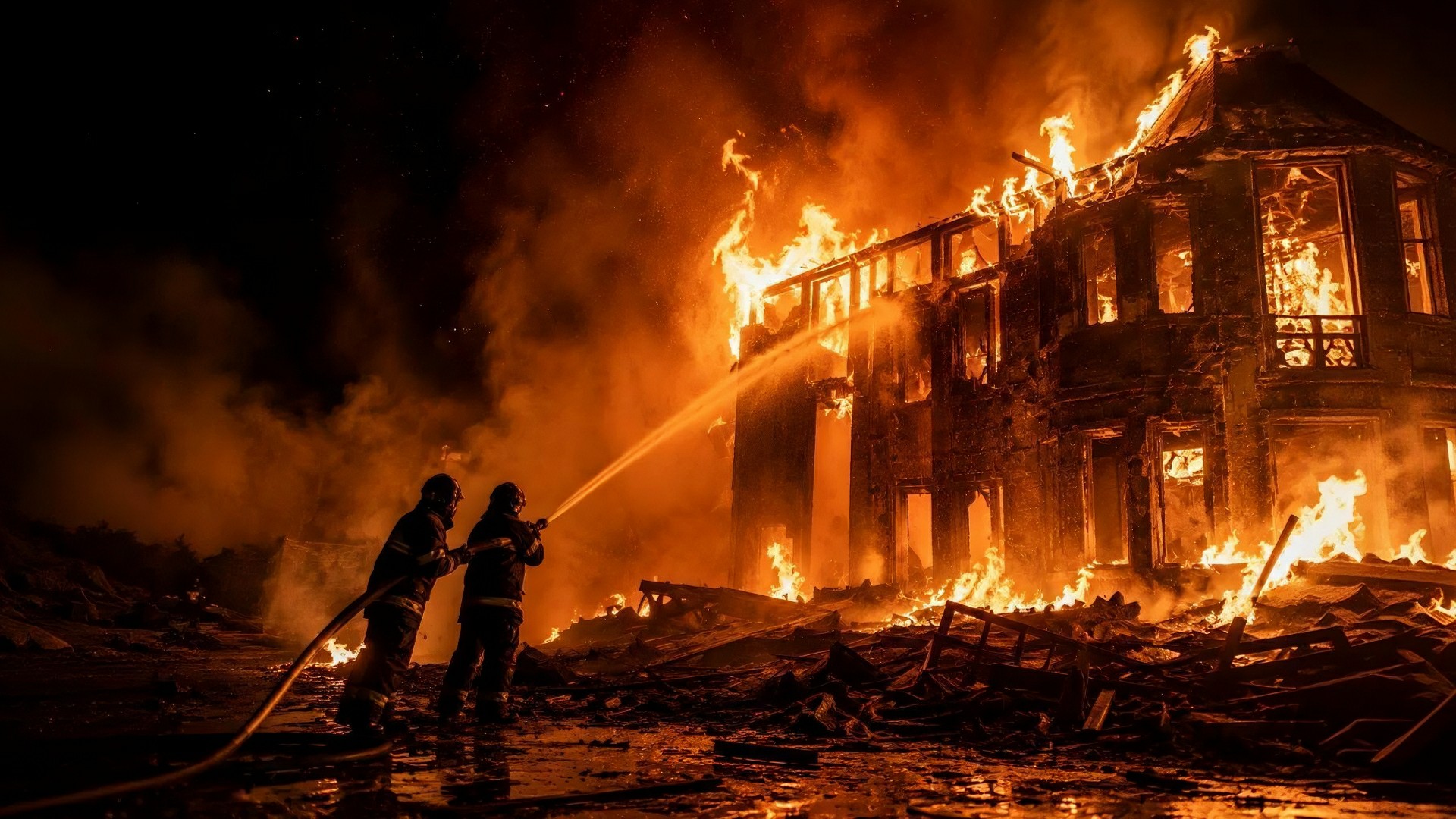
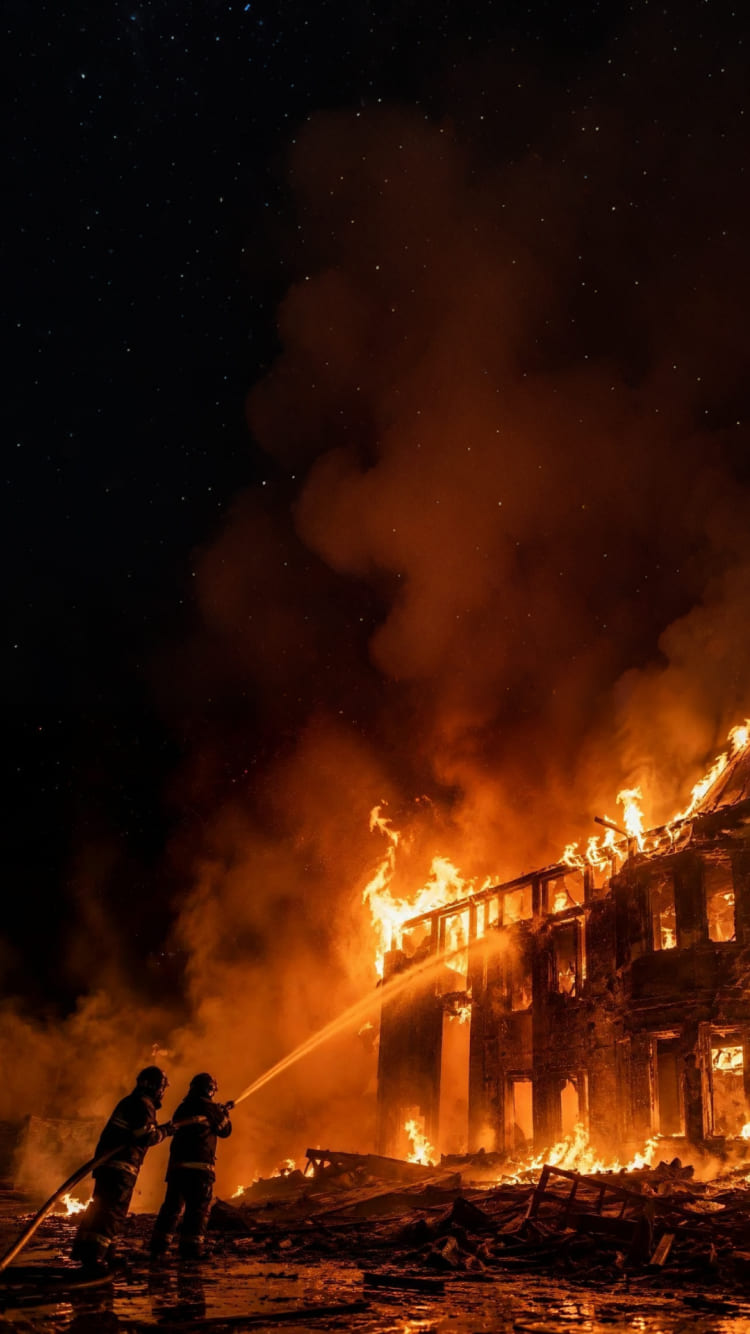
Firefighting is a race against time to save lives. At the scene of a fire, how can firefighters locate trapped victims and identify the source of the fire as quickly as possible through dense smoke and darkness. The thermal camera is their trusted "second pair of eyes".
Thermal cameras do not rely on visible light; instead, they detect the temperature differences between flames, hot objects, human survivors, and the surrounding environment. This capability allows them to effectively penetrate smoke, clearly revealing the outlines, locations, and temperature gradients of heat sources. Thermal cameras have evolved from mere auxiliary tools into standard equipment—serving as a vital "second pair of eyes" for firefighters navigating complex fire scenes.
Thermal cameras do not rely on visible light; instead, they detect the temperature differences between flames, hot objects, human survivors, and the surrounding environment. This capability allows them to effectively penetrate smoke, clearly revealing the outlines, locations, and temperature gradients of heat sources. Thermal cameras have evolved from mere auxiliary tools into standard equipment—serving as a vital "second pair of eyes" for firefighters navigating complex fire scenes.
Personnel Search and Rescue
Background
Saving lives is the highest priority in firefighting operations. During building fires, trapped victims may be located in smoke-filled rooms, beneath collapsed debris, or in areas hidden from view. Every second counts, and any delay can put lives at greater risk. Quickly locating victims through dense smoke and darkness remains one of the greatest challenges in fire search and rescue.
Pain Points
- Dense smoke and darkness severely limit visibility, making visual observation impossible.
- Search and rescue operations are time-consuming with limited coverage, resulting in lower efficiency and a higher risk of missed victims.
- High-temperature environments pose safety risks during rescue operations.
.jpeg)
.png)
Solution
Firefighting thermal camera is recommended to assist with victim search and rescue operations. Firefighters can carry the thermal camera into buildings and rapidly scan search areas in smoke-filled and dark environments. The thermal image clearly reveals the outlines of trapped victims, enabling accurate location and more efficient rescue operations.
See Through Smoke: Does not rely on visible light and effectively penetrates smoke, helping firefighters “see” signs of life even in zero-visibility environments.
Precise Location: Thermal images clearly reveal the outlines and positions of trapped victims, reducing blind searches and missed rescues.
Improved Efficiency: Significantly shortens search and rescue time, creating valuable opportunities for life-saving operations.
Fire Source Localization
Background
Before entering a fire scene, firefighters must rapidly determine the location of the fire source, the direction of its spread, and the extent of the affected area in order to formulate a sound firefighting strategy. However, dense smoke can obscure the fire source, making it impossible to identify with the naked eye. Blindly venturing into the area not only delays critical firefighting efforts but also places firefighters in extreme danger. Rapid and precise localization of the fire source is the first step toward effective and safe firefighting operations.
Pain Points
- The fire source is concealed, making it impossible to locate with the naked eye.
- The direction of fire spread is unclear, leaving firefighting operations without a reliable basis.
- Hidden smoldering hotspots are difficult to detect and easily overlooked by conventional methods.
.jpeg)
.jpeg)
Solution
Before or during fireground entry, firefighters can use a thermal camera to scan the scene, helping locate the fire source, assess the fire-affected area, and support rapid fireground assessment and effective firefighting strategy planning.
Rapid Assessment: Identify fire source locations and fire conditions before entering the scene, avoiding blind entry into dangerous areas.
Precise Localization: Accurately locate fire hotspots and hidden heat sources, providing critical information for targeted firefighting.
Scientific Decision-Making: Provide visual data to support firefighting strategies and the planning of interior attack routes.
Recommended Products

