








How to Select a Thermal Camera for Scientific Research?
Release Time 2026-03-05
Because infrared thermal cameras provide non-contact temperature measurement, they ensure safety while delivering accurate thermal data. As a result, they have become essential tools for acquiring temperature information in a wide range of research and development projects.
To help you select a thermal camera that best fits your research needs, this guide explains the key parameters and typical application scenarios, enabling a more informed and scientific selection process.
1. What Temperature Range Needs to Be Measured?
When selecting a thermal camera for temperature measurement, you should first consider the approximate temperature range of the object being measured. Different types of infrared thermal cameras support different measurement ranges.
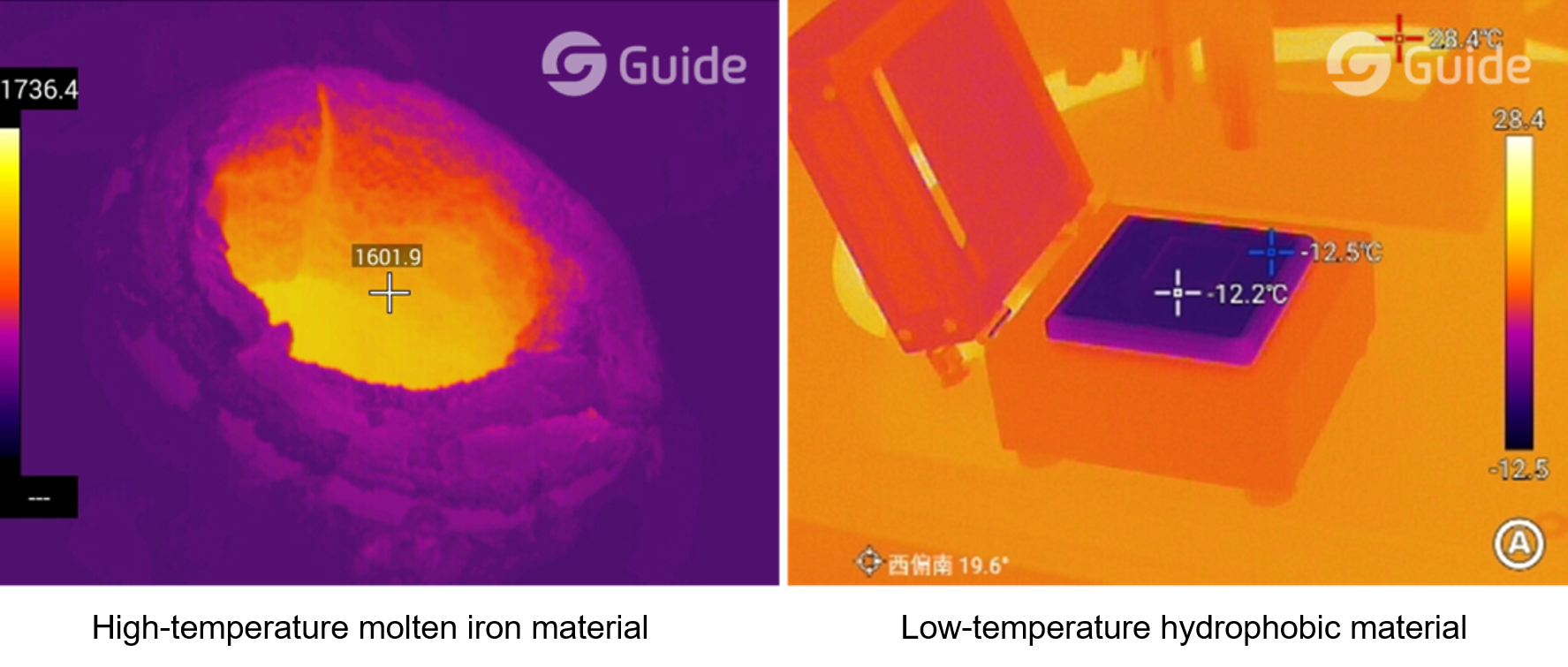
For example, molten metal materials can reach temperatures as high as 1601.9 °C. In such cases, it is advisable to choose models that support high-temperature lenses, such as the H Series (measurement range: –40 °C to 2000 °C) or the PT II Series (measurement range: –40 °C to 2500 °C), which are designed to meet the demands of ultra-high-temperature applications.
By contrast, in low-temperature scenarios—such as hydrophobic materials at –12.2 °C—a standard-configuration thermal camera is sufficient to obtain accurate temperature data.
2. What Level of Temperature Accuracy Is Required?
The reliability of temperature data primarily depends on the measurement accuracy and stability of the thermal camera. Temperature accuracy refers to the deviation between the measured value and the true value.
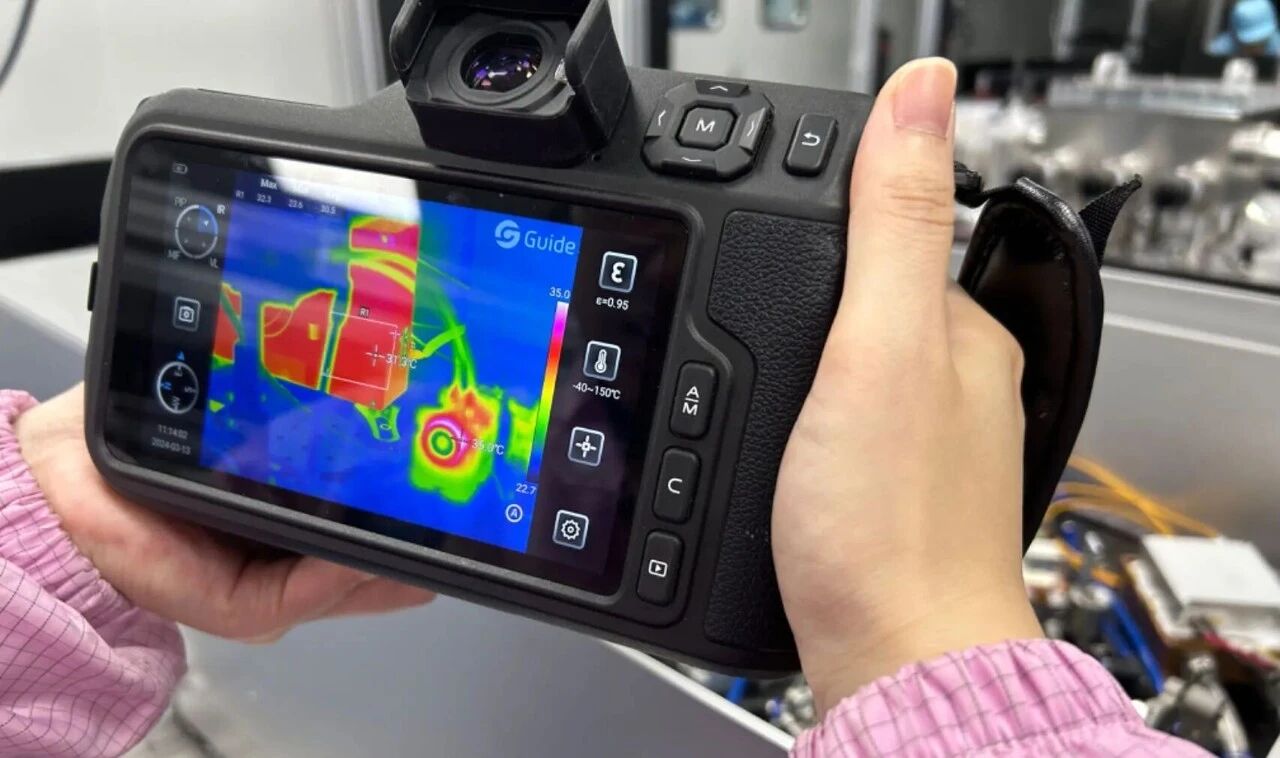
In industrial environments, the typical accuracy requirement for thermal cameras is ±2 °C. However, many scientific research applications demand higher precision.For instance, the Guide Sensmart PT II Series offers measurement accuracy of up to ±1 °C, which is better suited for research scenarios that require trend analysis, such as tracking temperature variations over time.
3. What Frame Rate Is Needed?
Frame rate refers to the number of image frames captured per second by a thermal camera. It directly determines the camera’s ability to capture temperature changes in dynamic targets.
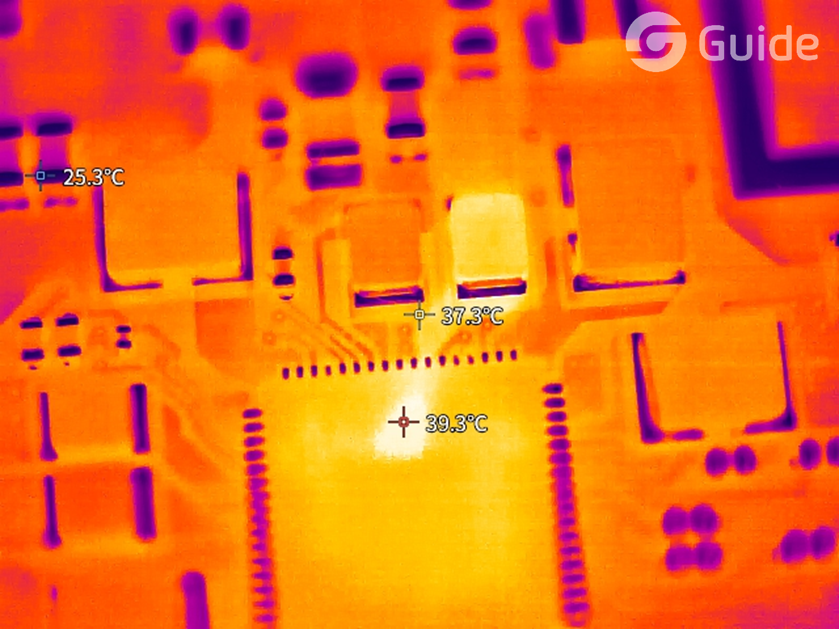
In most cases, the H Series intelligent thermal cameras with a 30 Hz frame rate can meet the requirements of common temperature measurement tasks, such as:
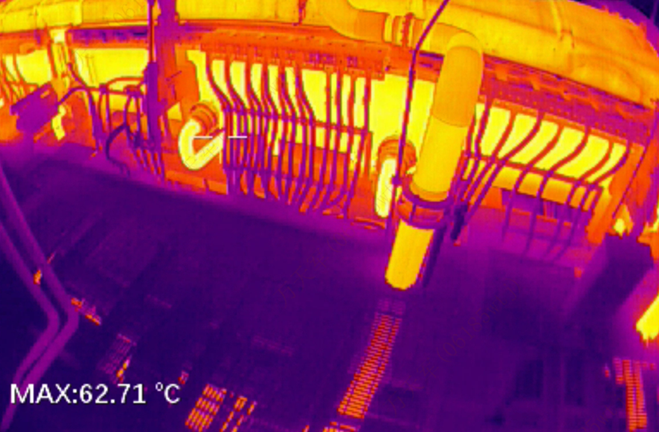
• Electrical equipment inspection
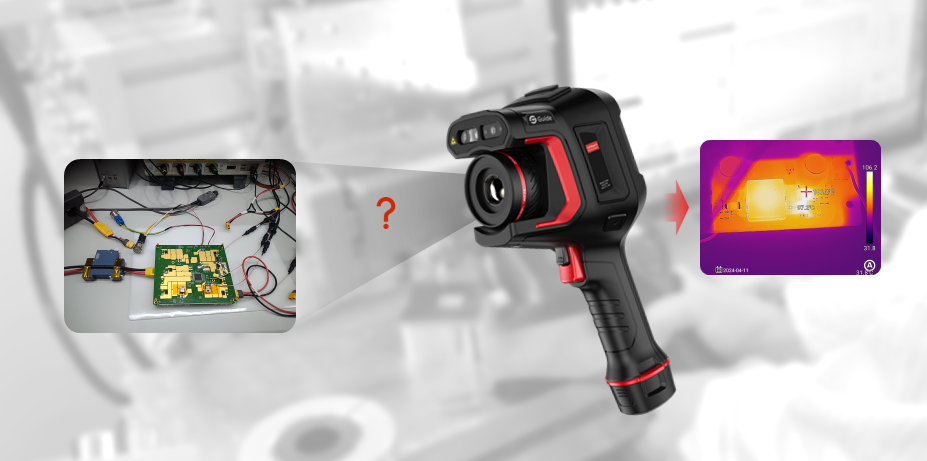
• Thermal performance testing of circuit boards
• Battery charge and discharge testing
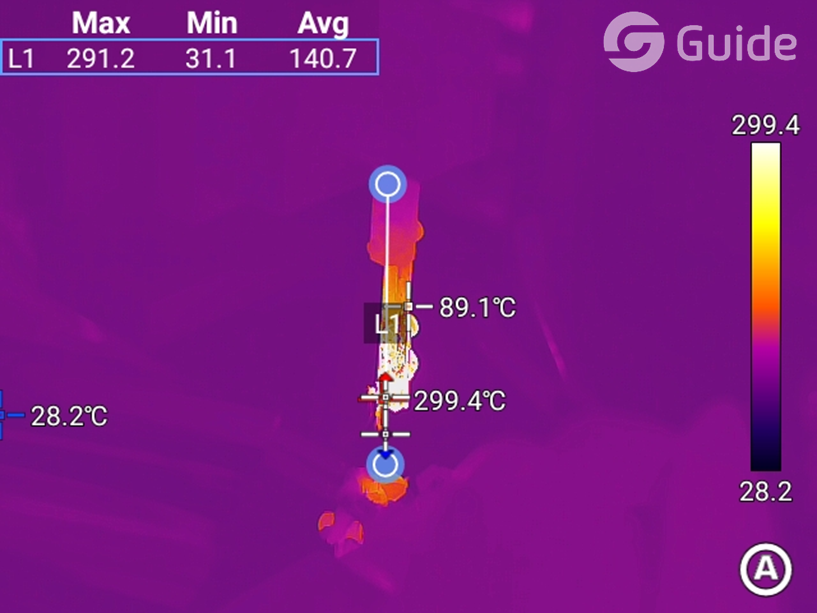
However, when measuring transient heating events or fast-moving objects, a higher frame rate is required. The PT II flagship thermal camera, with a 50 Hz frame rate, is better suited for capturing rapid thermal changes in applications such as:
• Rapid battery temperature rise testing
• Rotating machinery fault simulation
• Laser welding temperature monitoring
A higher frame rate helps prevent motion blur, which can otherwise lead to inaccurate temperature readings.
4. What Are the Size and Distance of the Target?
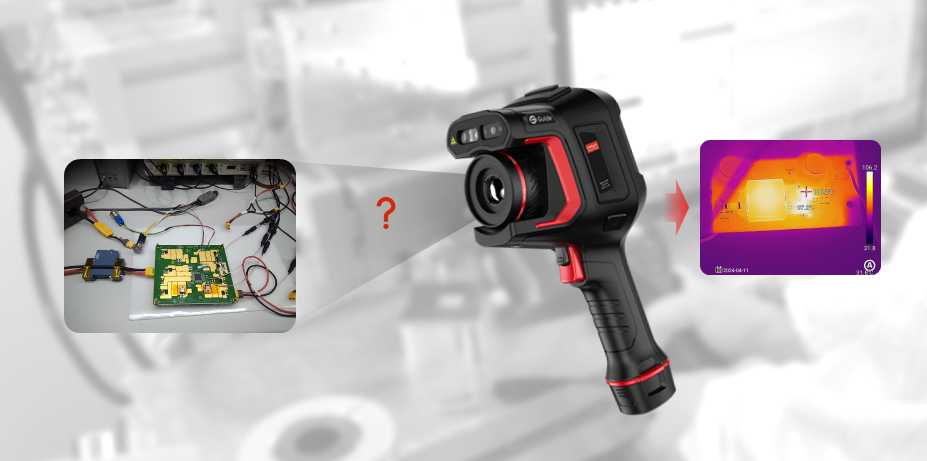
Before choosing a thermal camera, it is essential to match the target size with the measurement distance, as this is a key factor in avoiding measurement errors. Resolution and focal length should therefore be considered when selecting a suitable device.
• Resolution (e.g., 120×90, 256×192, 384×288, 640×512, 1280×1024) determines the level of detail a thermal camera can capture. Higher resolution allows smaller targets to be detected at the same distance.
• Focal length (e.g., 2.28 mm, 7 mm, 10.5 mm, 37.5 mm, 50 mm) determines the field of view (FOV).
Shorter focal lengths provide a wider field of view, making them suitable for observing large targets at close range. Longer focal lengths provide a narrower field of view, making them better for focusing on small targets at longer distances.
In addition, Guide Sensmart thermal cameras can be equipped with macro lenses, enabling temperature analysis of extremely small targets such as nanomaterials, electronic chips, and micro-components.
5. Are Repetitive Testing and Comparative Analysis Required?
In product research and development, the temperature data provided by a thermal camera is only the starting point. The real value lies in the verification and analysis of that data.
For tasks such as repetitive temperature testing, data organization, comparative analysis, and report generation, using professional infrared analysis software like ThermoTools can significantly improve both R&D efficiency and the reliability of experimental results.
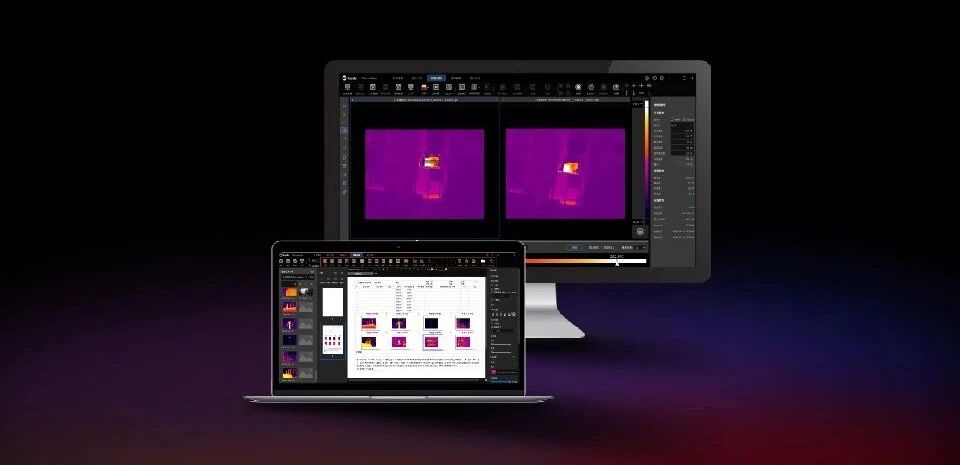
Whether you are working in ultra-high-temperature environments, low-temperature scenarios, measuring microscopic targets, capturing transient thermal changes, or conducting in-depth temperature data analysis, Guide Sensmart can provide a tailored solution for your needs.
We hope this selection guide helps you avoid unnecessary trial and error and choose the right thermal imaging tool that truly fits your


.svg)
.svg)