








How Smartphone Thermal Imaging Cameras Support Automotive Thermal Analysis
Release Time 2026-07-16
The automotive industry is increasingly focusing on performance, safety, and intelligent manufacturing. Whether it's an electric vehicle or a traditional automobile, every component must operate within a suitable temperature range to ensure reliability and long service life.
Smartphone thermal imaging cameras provide engineers and technicians with a convenient way to analyze temperature changes in automotive components. By combining infrared thermal imaging technology with smartphones, these compact tools allow users to perform rapid temperature analysis during product development, testing, assembly, and quality verification.
Understanding the Thermal Characteristics of Automotive Components
Temperature plays a significant role in vehicle performance.
Many automotive components generate or transfer heat during operation, including:
l Batteries
l Electric motors
l Braking systems
l Engine components
l Electronic control units
l Cooling systems
Thermal imaging cameras for smartphones can capture heat distribution patterns, helping engineers understand how different components perform under real operating conditions.
This information facilitates better design decisions and improves overall vehicle reliability.
Supporting Electric Vehicle Battery Analysis
The widespread adoption of electric vehicles has increased the importance of thermal management.
Battery temperature directly impacts charging efficiency, driving range, and safety. Uneven heat distribution between battery cells may indicate problems with the cooling design or energy management.
Using smartphone infrared thermal cameras, engineers can quickly observe temperature differences and evaluate thermal performance during battery testing.
This portable inspection method is particularly useful during prototype development and laboratory testing.
Improving Automotive Prototype Testing
During vehicle development, engineers require rapid feedback on the performance of new designs.
Traditional temperature measurement methods often require installing multiple sensors at specific locations. Although effective for localized measurements, these methods cannot visualize the overall temperature distribution.
Portable thermal imaging cameras offer a visual overview of the temperature distribution across an entire assembly.
Engineers can use thermal images to analyze:
l Heat concentration areas
l Temperature changes during operation
l Heat dissipation performance
l Thermal behavior of different materials
This helps accelerate the testing process and increases product development efficiency.
Checking the Assembly Quality of Components
Improper assembly can affect the operating condition of automotive components.
For example, improper contact between components, uneven material bonding, or insufficient cooling can all lead to unusual temperature distribution.
Thermal imaging technology allows production teams to quickly inspect assembled parts and verify whether heat distribution meets expected standards.
This non-contact inspection method helps manufacturers improve quality control without damaging components.
Analyzing Automotive Electronic Performance
Modern vehicles contain many electronic systems, including sensors, control modules, and power management units.
Electronic components generate heat during operation and excessive temperatures can affect their performance and reliability.
Smartphone thermal imaging cameras allow technicians to observe temperature changes in electronic components and evaluate thermal management solutions.
This is particularly important during the design and testing stages of automotive electronics.
Auxiliary Braking System Temperature Testing
Braking systems experience significant temperature changes during operation.
During vehicle testing, engineers need to understand the distribution of heat across braking components.
Thermal imaging technology can reveal temperature differences between the following components:
l Brake discs
l Brake pads
l Brake calipers
l Surrounding components
This information helps engineers evaluate braking performance and optimize thermal design.
Enhancing Flexibility in Field Testing
Automotive testing does not always happen inside laboratories.
Engineers often need to conduct inspections at test tracks, in workshops, or directly at production facilities.
Portable thermal imaging cameras that connect to smartphones are not only easy to carry but also enable rapid measurements across various testing scenarios.
This flexibility reduces the need for large-scale inspection equipment and improves testing efficiency.
Creating Visualized Temperature Records
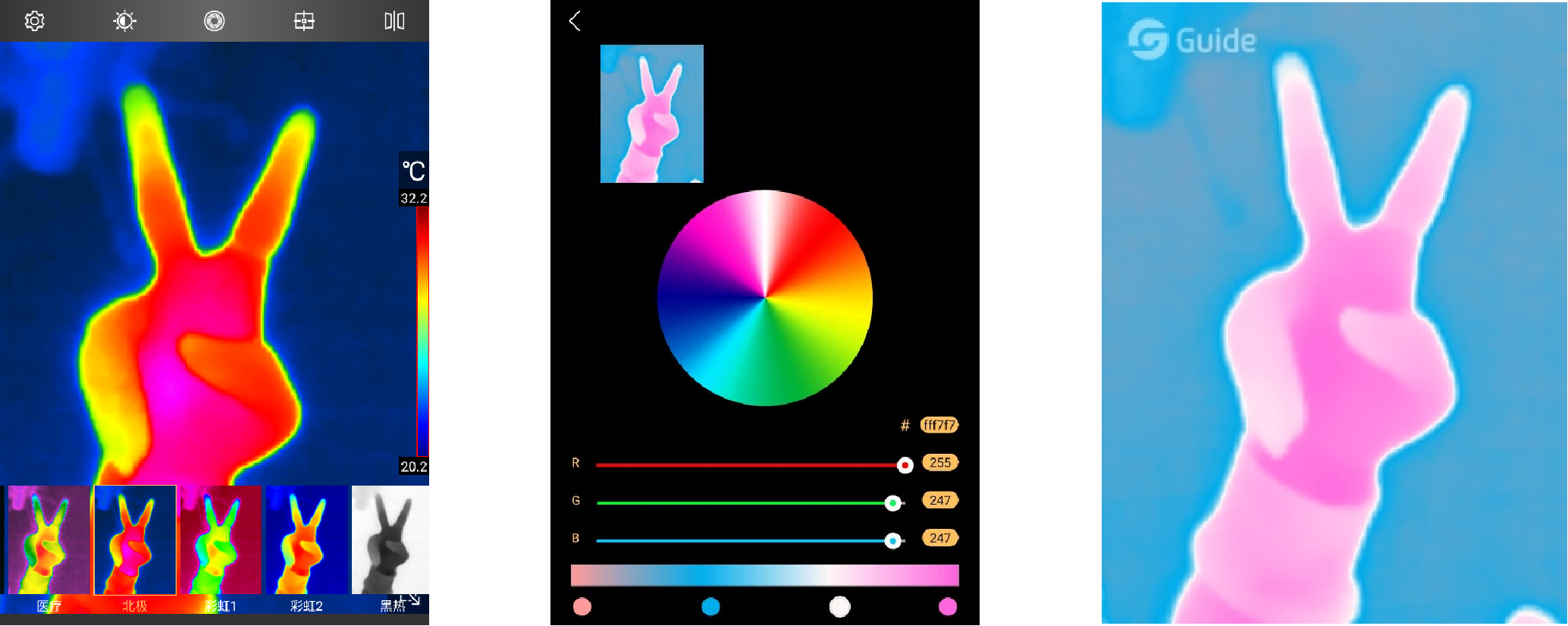
Modern smartphone thermal cameras allow thermal images and temperature data to be saved directly via mobile apps.
These records help automotive teams:
l Compare different designs
l Review test results
l Share information between departments
l Document development progress
Visualized thermal records streamline communication among engineers, designers, and production teams.
Conclusion
Smartphone thermal imaging cameras are becoming an important tool for temperature analysis of automotive components. They help engineers understand heat distribution, evaluate battery performance, test prototypes, verify assembly quality, and analyze electronic systems.
With their compact design, ease of use, and flexible mobility, smartphone thermal imaging cameras offer automotive professionals a faster way to collect thermal information, helping improve vehicle design, manufacturing quality, and performance.


.svg)
.svg)