








Infrared thermal camera empowers automotive safety
Release Time 2026-02-25
In today’s rapidly evolving automotive industry, vehicle safety performance has become a shared priority for both consumers and manufacturers. As the “heart” of electric vehicles, the thermal stability and protection safety of new energy lithium batteries are naturally of paramount importance. At the same time, we can’t overlook automotive tires and braking systems. As critical components that bear vehicle weight and transmit traction force, braking force, and road reaction force, their quality directly affects the safety of life and property.
01 Industry Overview
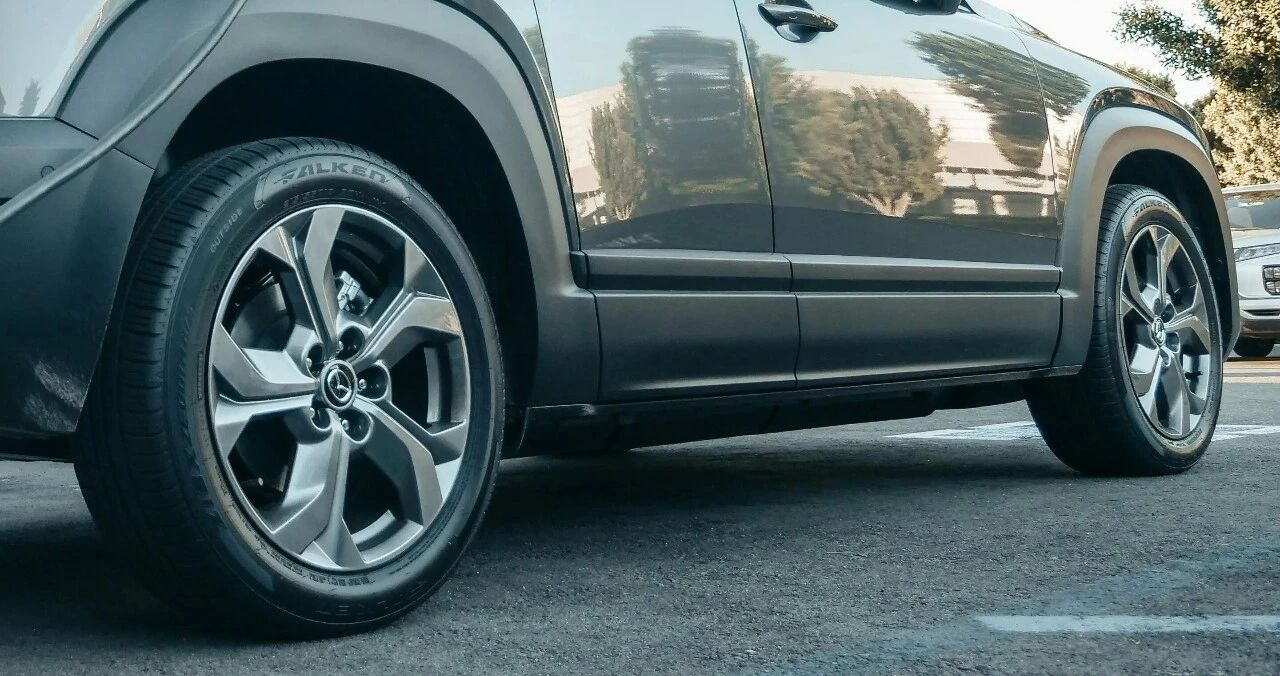
The surface temperature of automotive tires is a highly sensitive and critical parameter that directly reflects their operating condition. Infrared thermal camera can display real-time temperature changes during tire performance testing and temperature distribution during brake disc testing. This enables engineers to optimize tire materials and evaluate braking performance, providing strong technical support for improving overall vehicle safety.
02 User Pain Points
➤ Difficult Component Performance Evaluation
During driving and braking, the pressure and friction applied to key components such as tires and brake discs are converted into invisible heat energy. The extent of damage caused to these components is difficult to visualize intuitively.
➤ Hard-to-Record Temperature Variations
In tire and brake disc testing, temperatures that are too high or too low can negatively affect performance. Excessively high temperatures accelerate wear, while excessively low temperatures may indicate insufficient braking performance. Accurately tracking temperature changes during the design phase is crucial.
➤ Challenging Hotspot Localization
Traditional inspection methods struggle to quickly capture a complete temperature field of tires and brake discs, making it difficult to identify fatigue damage areas. This reduces R&D efficiency when engineers need to determine whether design flaws or material issues are present.
03 Application Overview
Brake System Performance Evaluation
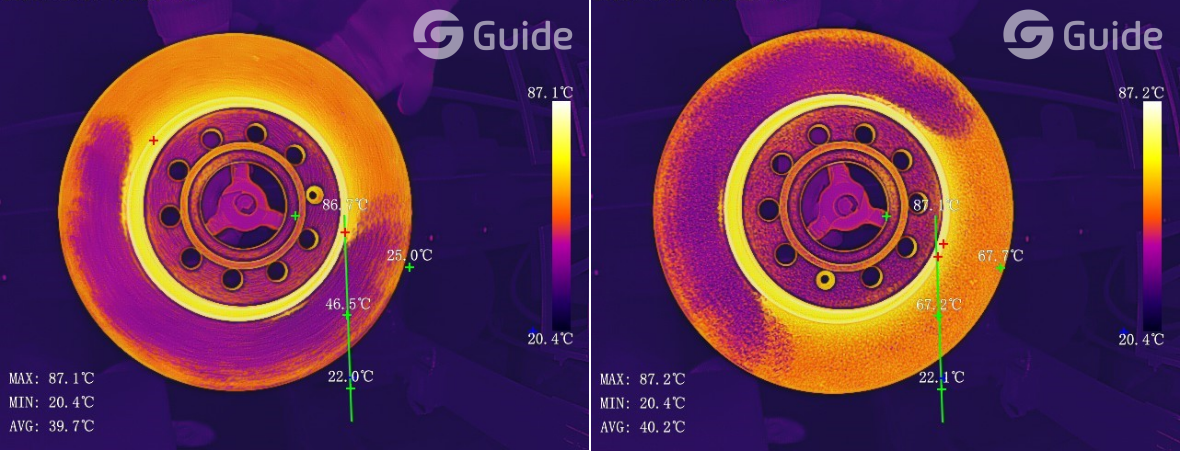
Brake systems generate significant heat during operation, and temperature is a key factor reflecting brake disc performance—especially braking efficiency and wear resistance. If brake discs remain at high temperatures for extended periods, accelerated wear of both the disc and brake pads may occur, leading to reduced braking performance and potential safety risks.
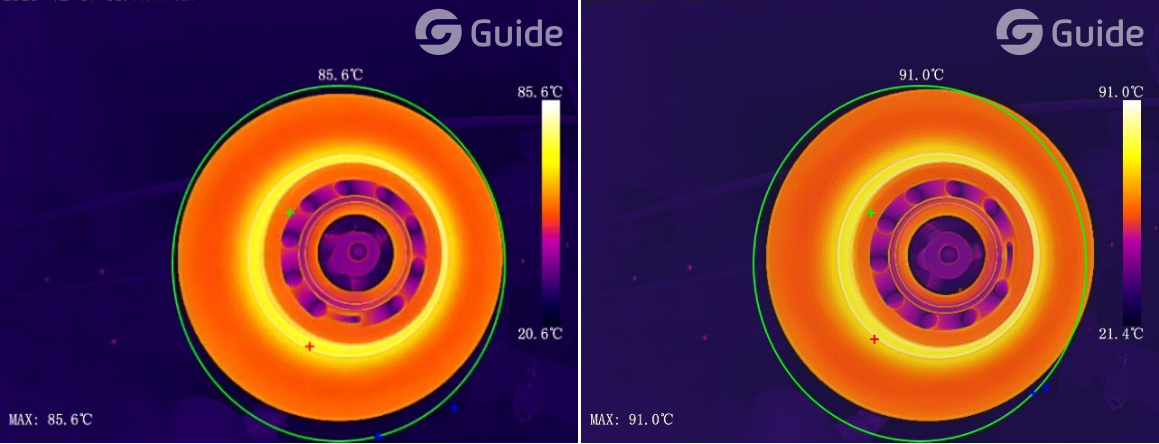
During brake testing, infrared thermal imagers can be used to monitor brake disc temperatures, quickly obtaining temperature distribution data of both the disc and pads. Engineers can precisely track temperature trends and accurately evaluate braking efficiency and wear resistance, providing data-driven support for brake design optimization and ensuring driving safety.
Tire Durability Testing
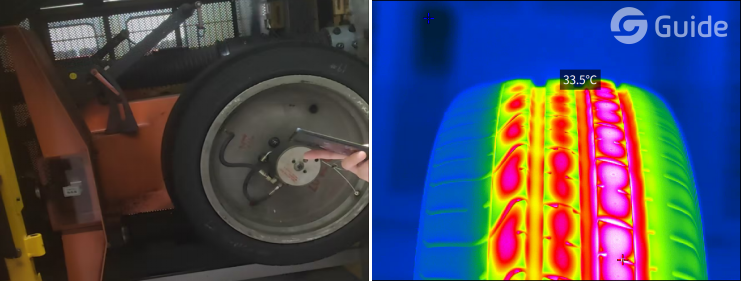
If the tire surface temperature exceeds its normal operating range, wear will accelerate. Conversely, if the surface temperature is below the optimal working range, grip and braking performance may be insufficient, affecting vehicle handling and potentially compromising driving safety.
By using infrared thermal imagers for tire performance testing, engineers can obtain real-time surface temperature data to better understand tire operating conditions. Based on this data, engineers can select appropriate materials to withstand required pressure and friction, further optimizing tire structure and performance to ensure safe driving.
04 Product Recommendations
The PT II flagship infrared thermal camera delivers high-definition imaging performance, helping engineers obtain more comprehensive temperature trend data for tires and braking systems. With up to 50 Hz high frame rate display technology, it ensures accurate temperature measurement and preserved image detail even in dynamic scenarios. The intuitive and complete temperature field information presented by the PT II ensures no surface temperature anomaly is missed, making it an ideal temperature analysis tool for engineers.

The H Series intelligent infrared thermal camera features a classic “hammer-style” ergonomic design for comfortable grip, portability, and durability. With up to 640 × 480 infrared resolution, it can quickly and accurately capture temperature distribution data of moving targets. Real-time screenshot functionality allows instant analysis of temperature distribution at a specific moment, making temperature data recording for automotive tire and brake system analysis simple and efficient.


.svg)
.svg)