








Electrical Hotspots: How Handheld Thermal Cameras Help Prevent Costly Downtime
Release Time 2026-03-02
In any factory or commercial building, almost all equipment relies on electrical systems to operate. Motors, switchboards, distribution boxes, transformers, and control cabinets run for extended periods every day. Most failures do not occur without warning. In many cases, excessive heat builds up before a malfunction occurs.
That is where a handheld thermal camera becomes valuable. By detecting electrical hotspots early, the maintenance team can promptly fix minor issues and prevent unexpected downtime.
Why Electrical Hotspots Are a Serious Risk
Electrical components themselves generate heat. However, when connections become loose, circuits are overloaded, or insulation begins to fail, temperatures can rise beyond normal levels.
Common causes of electrical hotspots include:
l Loose or corroded connections
l Circuit overload
l Phase imbalance
l Aging circuit breakers
l Transformer failure
l Damaged cables
If left unchecked, these issues may cause:
l Equipment downtime
l Delays in production
l High repair costs
l Fire hazards
l Worker safety risks
In industrial environments, even a one-hour downtime can result in losses of thousands of dollars. Preventing electrical faults is not only a matter of safety, but also of productivity.
How Handheld Thermal Cameras Work
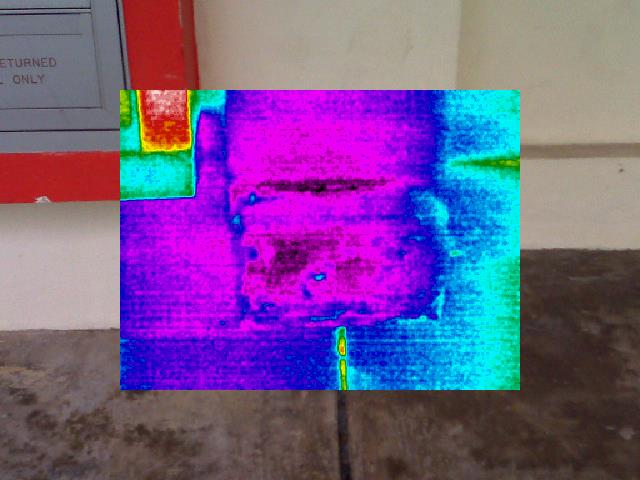
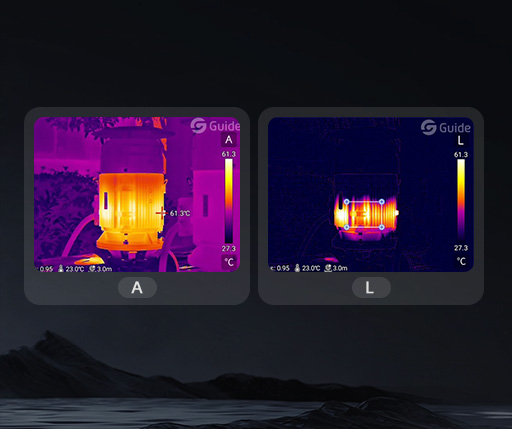
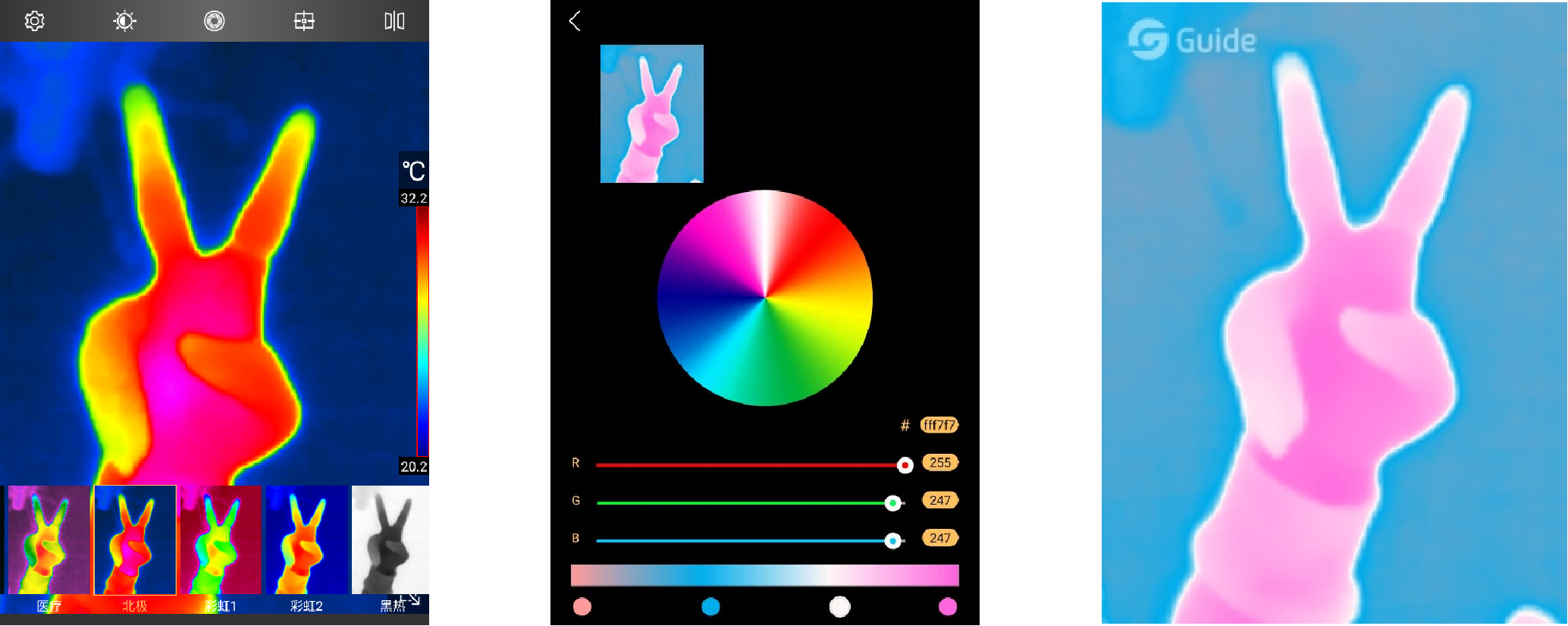
A handheld thermal camera detects infrared radiation rather than visible light. The device converts temperature differences into clear thermal images, with warmer areas displayed in different colors.
Unlike traditional detection methods, thermal imaging technology:
l Requires no physical contact
l Operates while equipment is running
l Detects hidden faults behind panels
l Quickly identifies abnormal thermal patterns
Since overheating is often the first sign of electrical faults, thermal imaging technology has become a fast and reliable diagnostic tool.
Early Detection Means Less Downtime
One of the biggest advantages of handheld thermal cameras is their ability to detect faults early.
For example:
Connections in a distribution panel may look perfectly normal from the outside, but may be loose. These loose connections may cause excessive heat. A thermal camera can immediately highlight this hotspot.
Instead of waiting for:
circuit breaker tripping
sudden shutdown
smoke or burning smell
Maintenance personnel can schedule a planned repair during non-peak hours.
This approach changes the maintenance strategy from reactive maintenance to proactive maintenance. And preventative maintenance is consistently less expensive than emergency repairs.
Safe Inspections Without System Shutdown
In the past, electrical inspections require opening switchboards and physically testing components. This typically means shutting down the system.
Thermal imaging technology allows technicians to:
Scan switchboards while they are energized
Maintain safe distances
Avoid direct contact with live circuits
Reduce the possibility of arc flash accidents
This makes inspections safer and more convenient, especially in busy industrial environments.
Identifying Overloaded Circuits
Overloaded circuits are common in expanded facilities. As equipment increases, the original electrical design may no longer meet the demands.
The handheld thermal camera can easily detect:
Uneven heat distribution
Overheated cables
High-temperature breakers
These signs indicate overload or phase imbalance.
The maintenance team gains clear visual evidence instead of relying on guesswork. They can rebalance the load or upgrade the line before a failure due to overheating.
Reducing Unexpected Factory Downtime
Unplanned downtime will affect:
l Production schedules
l Delivery commitments
l Customer satisfaction
l Operating costs
A failure in a single motor control center or transformer can cause an entire production line to shut down.
Handheld thermal cameras can be used for preventative maintenance programs. By detecting electrical hotspots early, businesses can:
l Schedule maintenance during planned downtime
l Order replacement parts in advance
l Avoid emergency calls
l Maintain a stable production process
Ultimately achieve less disruption and greater stability.
Conclusion
Electrical hotspots rarely appear without warning. Overheating is usually the first sign of a problem.
Handheld thermal cameras allow maintenance staff to clearly and promptly identify early warning signs. By detecting overheating connections, overloaded circuits, and faulty components, they help prevent unexpected downtime and improve workplace safety.
In the modern industrial environment, prevention is paramount. Factories should take preventative measures to ensure smooth production rather than react to malfunctions. As a professional manufacturer of handheld thermal cameras, Guide Sensmart is committed to supporting industrial facilities with reliable thermal inspection solutions.


.svg)
.svg)