








Home Energy Audits: How Thermal Cameras Detect Hidden Leaks
Release Time 2026-03-02
Rising energy bills often leave homeowners wondering: Where is all the heat going? In many homes, energy loss occurs silently. You may not be able to see or feel it, but over time it shows up in your energy bills.
This is where home energy audits come in handy. Among all the tools used in professional energy assessments, thermal cameras have proven to be one of the most effective tools for finding hidden insulation leaks and areas of heat loss.
Why Heat Loss Often Goes Unnoticed in your Home
Most homes appear perfectly fine on the surface. Walls are freshly painted, windows are sealed tightly, and doors and windows close properly. However, inside those walls and on the ceiling, there might be gaps in insulation and hidden heat leakage without any visible damage.
Heat naturally flows from warmer areas to cooler areas. In winter, warm indoor air can escape through weak points in the building envelope. In summer, warm outside air can leak into the building. Such weak areas are usually difficult to identify and require special equipment to locate.
Traditional inspection methods rely on visual inspection or testing. However, these methods may not identify problems that are not visible behind drywall, attic insulation, or flooring structures.
What Happens During a Home Energy Audit
A home energy audit is a structured evaluation of how efficiently a house uses energy. It typically includes:
lChecking insulation thickness
lChecking doors and windows
lChecking the HVAC system
lMeasuring air leaks
Using thermal imaging cameras for audits provides a clearer picture of the situation. Inspectors can directly see temperature differences between walls, ceilings, and floors without guessing where heat loss might occur.
How Thermal Cameras Work in Energy Detection
Thermal cameras detect infrared radiation emitted by objects. The intensity of this radiation varies with surface temperature. Even surfaces that appear identical to the naked eye actually exhibit subtle temperature differences.
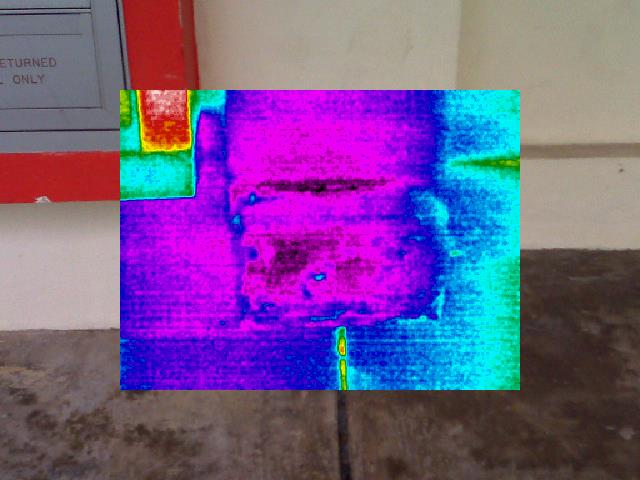
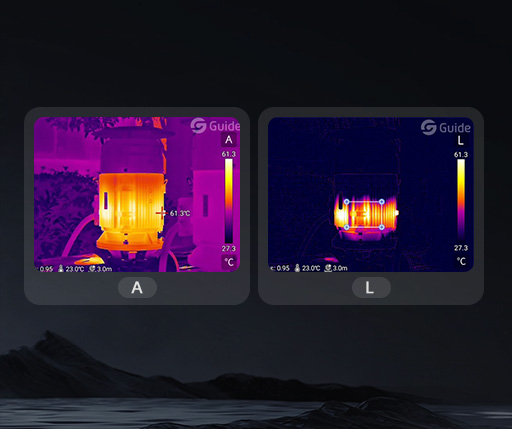
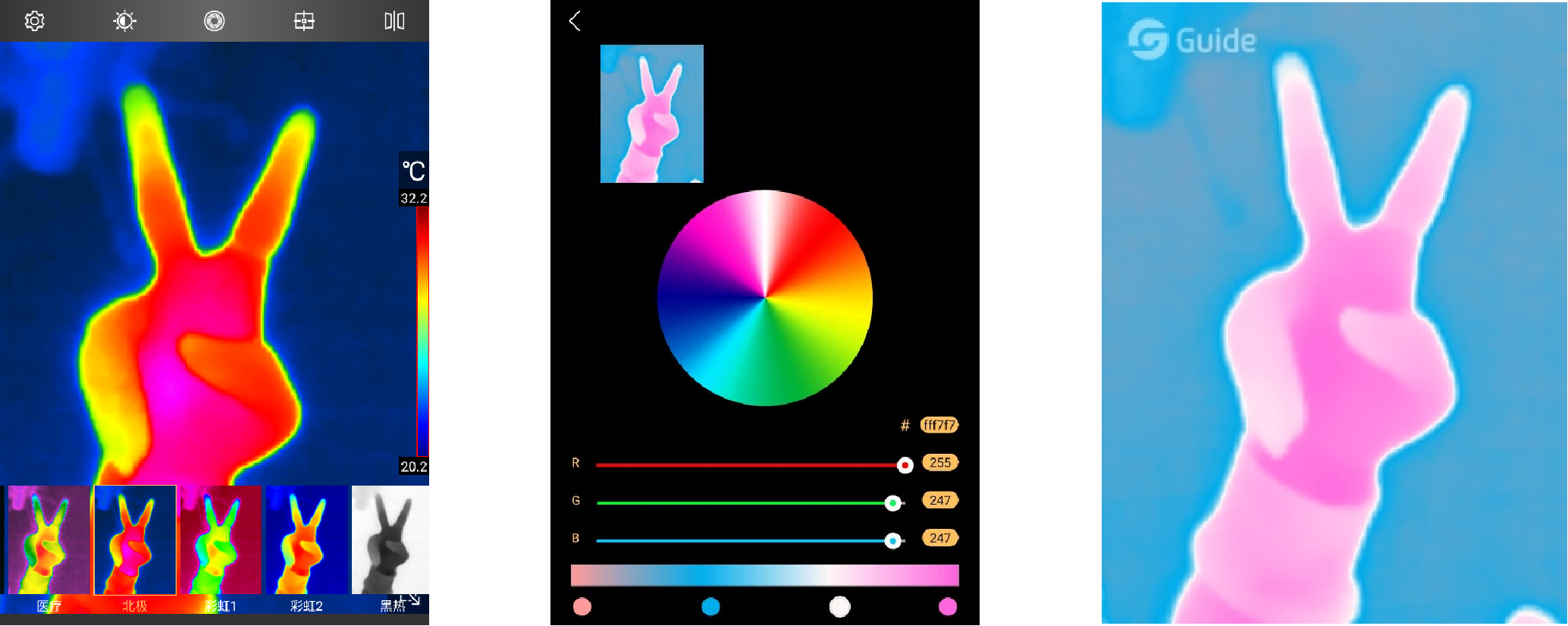
The camera converts these temperature differences into color images. Warmer areas may appear red or yellow, while cooler areas may appear blue or purple. This visual contrast makes it easy to identify unusual temperature patterns.
For instance, a section of wall lacking insulation will look noticeably different from the surrounding area. Similarly, a drafty window or a poorly sealed door frame will also appear this way.
Finding Insulation Gaps Behind Walls and Ceilings
Insulation is one of the most important factors in improving energy efficiency. However, insulation materials can settle over time, be unevenly installed, or have small gaps left during construction.
Thermal imaging cameras can be used to detect these problems. In colder months, poorly insulated areas will appear as cold spots on interior walls. In warmer weather, they may appear as hot spots.
Homeowners can easily locate these problem areas without having to remove drywall to manually inspect the insulation.
Detecting Air Leaks Around Doors and Windows
Doors and windows are common sources of energy loss. Even the slightest leakage around the weatherstripping can cause significant air exchange.
During thermal imaging inspections, gaps around windows often appear as streaks or irregular temperature lines, indicating air leakage. This helps pinpoint areas where sealing needs improvement.
Instead of unnecessarily replacing the entire window, homeowners can focus on applying sealant or filling in specific problem areas.
Identifying Heat Loss in the Roof and Attic
Hot air naturally rises, making the attic one of the most common areas of energy loss.
Thermal imaging during a home energy audit can reveal:
lUneven attic insulation
lGap near roof seams
lAreas where warm air escapes upwards
This allows us to target insulation upgrades rather than having to renovate the entire attic.
Identifying Moisture Issues Affecting Insulation Performance
Dampness within walls or ceilings reduces insulation effectiveness. Moist insulation materials cannot effectively trap air, often leading to decreased energy efficiency.
Thermal imagers can also help identify moisture problems. Although they cannot measure moisture, they can highlight suspicious temperature patterns that require further investigation.
Addressing moisture issues early can prevent energy waste and structural damage.
Making Energy-Saving Retrofits More Precise
A major advantage of using thermal imaging cameras in home energy audits is their precision. Homeowners don't need extensive renovations; instead, they can focus on specific areas where heat loss is actually occurring.
This targeted approach:
lLowers retrofit costs
lBoosts return on investment
lImproves overall comfort
Energy-saving retrofits are no longer based on assumptions, but on data.
Long-term Energy Efficiency and Comfort
The effects are immediate once hidden leaks are discovered and repaired. Room temperatures become more stable, heating systems run less frequently, and cooling loads decrease in summer.
Over time, this will bring the following benefits:
lReduce energy costs
lLower HVAC system strain
lImprove indoor comfort
Thermal cameras themselves cannot solve the problem, but they can clearly point out areas for improvement.
When Is the Best Time for a Thermal Inspection?
Thermal imaging works best when there is a significant temperature difference between indoors and outdoors. This temperature difference makes heat loss easier to detect.
In cold regions, winter inspections typically yield the clearest results. However, summer inspections can also show the paths through which hot air seeps into a house.
Professional inspectors usually recommend scheduling energy audits during peak heating or cooling seasons.
Conclusion
Home energy audits aim to uncover hidden energy inefficiencies, and thermal cameras have become one of the most reliable tools for achieving this goal. By transforming invisible temperature differences into clear images, thermal cameras allow homeowners to detect insulation gaps, air leaks, and other sources of heat loss without invasive inspections.
Instead of guessing where energy is being wasted, thermal imaging technology provides visual evidence. This facilitates smarter upgrades, improves living comfort, and saves energy in the long term. Guide Sensmart is a professional thermal camera manufacturer with years of global experience. We look forward to hearing from you.


.svg)
.svg)