








How Intelligent Thermal Cameras Help Reduce Human Error in Thermal Inspections
Release Time 2026-06-05
Thermal imaging inspection is extensively applied in various industries such as manufacturing, energy generation, building maintenance, and electrical inspection. It assists technicians in identifying overheating components, energy loss, and equipment anomalies before a failure occurs.
But traditional infrared thermal imaging inspection often relies heavily on the operator's experience and judgment. Different technicians may interpret thermal images differently, leading to inconsistent inspection results or even the oversight of potential issues.
This is exactly where intelligent thermal cameras become useful. By combining thermal imaging technology with intelligent analytics capabilities, these devices help minimize human error, enhance inspection consistency, and provide more reliable thermal data.
Human Mistakes Involved in Thermal Imaging Inspections
Even experienced inspectors are prone to making mistakes when conducting thermal imaging inspections.
Common human errors include:
l Overlooking small hotspots
l Ignoring temperature anomalies
l Misinterpreting thermal images
l Taking incorrect temperature readings
l Failing to prioritize critical issues
In large-scale industrial facilities requiring the inspection of hundreds of assets, such errors can lead to equipment failure, unplanned downtime, and increased maintenance costs.
Minimizing human error is one of the major reasons why enterprises are increasingly adopting intelligent thermal imaging cameras.
Automatic Temperature Anomaly Detection
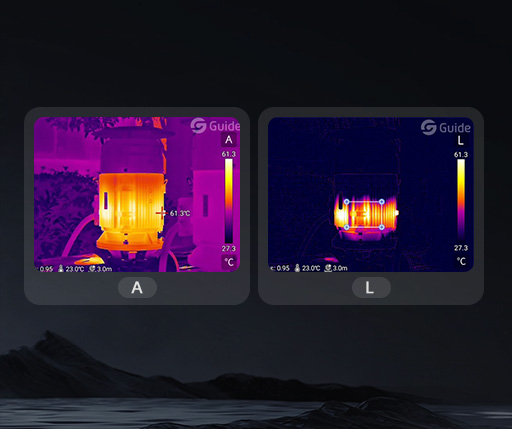
One of the most valuable features of an intelligent thermal camera is its ability to automatically identify anomalous temperature patterns.
Instead of relying entirely on manual observation, the thermal camera can automatically highlight the following:
l Overheating electrical parts
l Sudden temperature spikes
l Hotspots
l Abnormal heat distribution
This reduces the likelihood of inspectors overlooking emerging issues amidst busy inspection schedules.
Automatic anomaly detection helps make inspections faster and more consistent.
Enhancing Inspection Consistency
Different technicians may provide different assessments of the same thermal image because of differences in their levels of experience.
Intelligent thermal cameras employ predefined analysis rules and temperature thresholds to help standardize the inspection process.
This leads to more consistent inspection results for the following reasons:
l Similar issues are identified using identical criteria
l Inspection standards are easier to follow
l Reliance on individual judgment is reduced
l Reporting across different teams becomes more uniform
For firms with multiple inspection teams, consistency is paramount.
Intelligent Temperature Measurement and Analysis
Manual temperature measurement can sometimes be susceptible to operator error, particularly when inspecting large or complex systems.
Modern intelligent thermal cameras are capable of automatically performing the following tasks:
l Tracking maximum temperatures
l Identifying the hottest spots within a scene
l Monitoring temperature differentials
l Simultaneously analyzing various measurement areas
These intelligent features not only improve data accuracy but also mitigate the risk of measurement errors.
As a result, technicians can focus more on solving problems rather than collecting data.
Accelerating On-Site Decision-Making
During inspections, maintenance personnel often need to quickly determine whether a specific issue requires immediate action.
Smart thermal imaging cameras facilitate this process by providing real-time analysis of thermal conditions.
The system automatically categorizes issues based on their severity and highlights areas that require urgent attention.
This allows technicians to:
l React promptly to critical issues
l Prioritize maintenance tasks
l Minimize inspection delays
l Improve troubleshooting efficiency
Faster decision-making typically translates to reduced downtime and increased operational reliability.
Minimizing Errors in Electrical Inspections
Electrical systems constitute one of the most common application areas for thermal imaging technology.
Abnormal temperature rises at circuit breakers, transformers, or electrical connections may indicate developing faults.
Intelligent thermal cameras for electrical inspections can automatically identify temperature anomalies that might otherwise be missed.
This aids in detecting issues such as:
l Loose joints
l Circuit overloads
l Three-phase imbalances
l Excessive resistance
By minimizing inspection errors, organizations can enhance electrical safety standards and effectively prevent unexpected equipment failures.
Enhanced Documentation and Reporting
When inspection data is recorded manually, human error is prone to occur.
Modern intelligent thermal imaging cameras are usually fitted with intelligent reporting tools capable of automatically saving the following information:
l Thermal images
l Temperature readings
l Inspection timestamps
l Device information
Automated documentation processes help minimize reporting errors and enhance data traceability.
Maintenance managers can more easily review inspection history, thereby enabling them to make more informed long-term maintenance decisions.
Supporting Predictive Maintenance Strategies
Predictive maintenance depends on accurate and consistent inspection data.
If thermal inspection data contains errors or measurement results are inconsistent, it becomes difficult to identify trends and predict future failures.
Intelligent thermal cameras for predictive maintenance help generate reliable thermal data, which can then be used for the long-term monitoring of equipment.
This enables organizations of all types to:
l Detect faults earlier
l Optimize maintenance planning
l Minimize unplanned downtime
l Extend equipment lifespan
Reliable data leads to superior maintenance outcomes.
Conclusion
Human error has always been a major challenge in the field of thermal imaging inspection, especially when inspection work relies heavily on personal experience and manual analysis. Intelligent thermal cameras help address this issue through features such as automated anomaly detection, intelligent temperature analysis, standardized inspection workflows, and automated report generation.
By reducing the risks of missed hotspots, inaccurate measurement data, and inconsistent assessment results, intelligent thermal cameras enable organizations to enhance inspection quality, bolster safety, and provide robust support for the implementation of more efficient maintenance programs. As smart thermal imaging cameras continue to evolve, they are becoming essential tools for modern predictive maintenance and asset reliability programs.


.svg)
.svg)