








Can Thermal Cameras Detect Termites Behind Walls and Floors
Release Time 2026-07-24
Termites are difficult to detect because they often live inside walls, floors, ceilings, and other hidden areas. By the time visible damage appears, the infestation has often already spread. This raises an important question: can thermal cameras detect termites behind walls and floors?
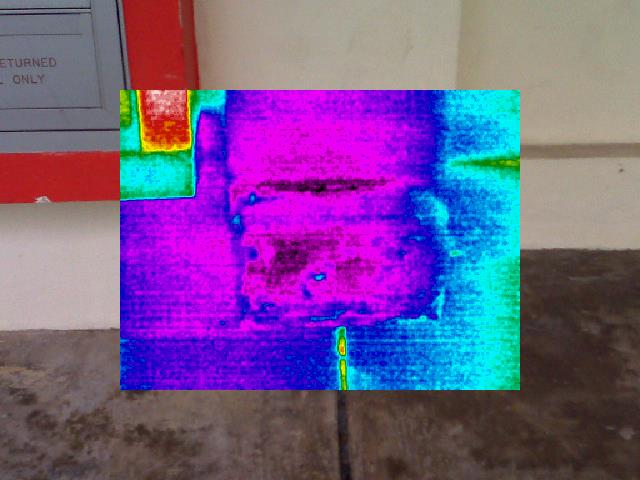
In short, thermal cameras cannot directly see through solid walls or floors, nor can they reveal individual termites hidden within the structure. However, they are able to detect temperature distribution patterns that may be related to termite activity. When used correctly, thermal imaging cameras for termite inspection help pest control professionals identify suspicious areas without the need to open up walls or dismantle flooring immediately.
How Thermal Imaging Detects Hidden Thermal Anomalies
A thermal camera does not work like an X-ray device. It cannot see through concrete, wood, drywall, or flooring.
Instead, it detects infrared radiation emitted from the surfaces of objects and generates thermal images based on temperature differences.
Termite activity may alter the thermal characteristics of building materials. For instance, termite colonies, moisture, damaged materials, and changes in airflow can all create unusual thermal distribution patterns on surfaces.
Thermal imaging cameras help identify these patterns and highlight areas that require further inspection.
Inspecting Floors Using a Thermal Camera
Floors can also hide termite activity.
Wooden flooring, subflooring, and other building materials may sustain internal damage before the problem becomes obvious.
Thermal imaging cameras can scan floor surfaces to identify unusual temperature distributions. Areas showing thermal anomalies may require closer inspection.
This helps pest control teams pinpoint areas needing additional checks without immediately removing large sections of flooring.
Why Non-Destructive Inspection Is Useful
Traditional termite inspections may require drilling, cutting, lifting flooring, or dismantling parts of walls.
While these methods provide direct access to hidden areas, they can also cause damage to the building.
Thermal imaging technology provides a non-contact inspection method. It enables professionals to scan large areas before deciding whether invasive inspection is necessary.
This helps save time during the early stages of an investigation and minimizes unnecessary damage.
Thermal Imaging Should Not Be Used in Isolation
While thermal cameras are practical inspection tools, they cannot serve as standalone devices for termite detection.
Many factors can cause temperature anomalies, including:
l Moisture
l Poor insulation
l Heating systems
l Air movement
l Sunlight exposure
l Building materials
Therefore, thermal imaging inspections should be combined with other inspection methods.
Professional pest control technicians typically combine thermal imaging with visual inspections, moisture meters, acoustic detection tools, or other termite detection equipment to confirm the cause of an abnormal area.
The Importance of Inspection Conditions
The accuracy of a thermal imaging inspection depends on the environment.
A temperature difference between the building's inside and outside helps reveal hidden thermal patterns more clearly. However, factors such as direct sunlight, strong heat sources, changing weather, and reflective surfaces can affect the quality of the thermal images.
Professional inspectors need to understand these environmental conditions before interpreting the results.
While high-quality thermal imaging cameras for pest control provide valuable temperature information, proper operation and accurate analysis are equally important.
How Thermal Imaging Supports Termite Control
Thermal imaging technology helps pest control professionals establish more efficient inspection processes.
Instead of inspecting every area manually, inspectors can use thermal images to identify specific areas that require closer attention.
This technology is particularly well-suited for the following settings:
l Residential buildings
l Wooden structures
l Commercial properties
l Warehouses
l Historical buildings
The technology helps optimize inspection planning and minimizes unnecessary damage to building structures.
What to Do After Finding a Suspicious Area
If the thermal camera shows unusual temperature patterns, the next step is to conduct further investigation.
You may need to inspect the area using additional tools or consult a qualified pest control professional for an assessment.
Thermal images are for reference only and do not constitute conclusive evidence.
The goal is to combine thermal information with other evidence to determine whether the abnormal temperature patterns are caused by termites, moisture, structural damage, or other issues.
Conclusion
Can thermal camera detect termites behind walls and floors? While it cannot directly visualize individual termites through solid building materials, it can identify unusual surface temperature patterns that may indicate hidden activity, moisture issues, or structural changes associated with termite infestations.
Therefore, as part of a comprehensive inspection process, thermal imaging cameras for termite inspection are a highly valuable non-destructive testing tool. When combined with professional analysis and other inspection methods, thermal imaging helps rapidly pinpoint areas of concern, thereby facilitating more efficient termite control efforts.


.svg)
.svg)