








Can Thermal Cameras Detect Hotspots After a Fire
Release Time 2026-06-12
After a fire appears to be under control, hidden hotspots may still persist within walls, ceilings, the roof, or piles of burnt debris. If these residual heat sources are not detected and extinguished in time, they could cause the fire to reignite hours later.
This is one of the main reasons why firefighters and emergency response teams use thermal cameras during post-fire inspections. By detecting heat invisible to the naked eye, thermal imaging technology helps quickly locate hidden hotspots and improves overall safety at the fire scene.
What Are the Hotspots After a Fire?
Hotspots are areas that continue to generate heat after visible flames have been extinguished.
Hotspots may be found in the following places:
l Wooden structures
l Insulation materials
l Electrical equipment
l Roof spaces
l Wall cavities
l Debris piles
Although these areas may appear safe from the outside, heat can still accumulate within, creating a risk of reignition.
It is important to locate these hidden heat sources before firefighters depart the scene.
How Thermal Imaging Cameras Detect Hidden Heat
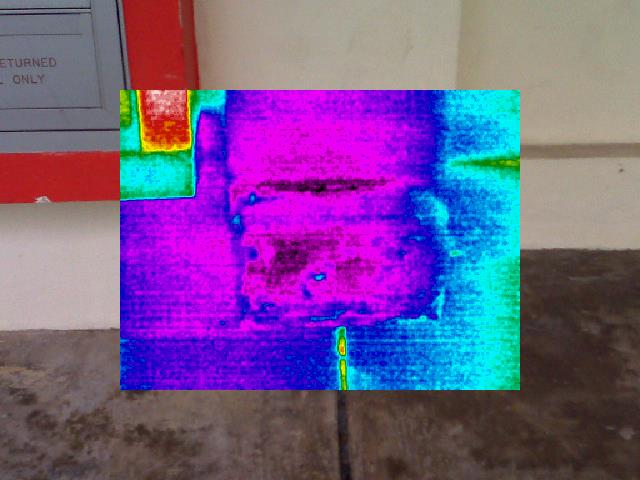
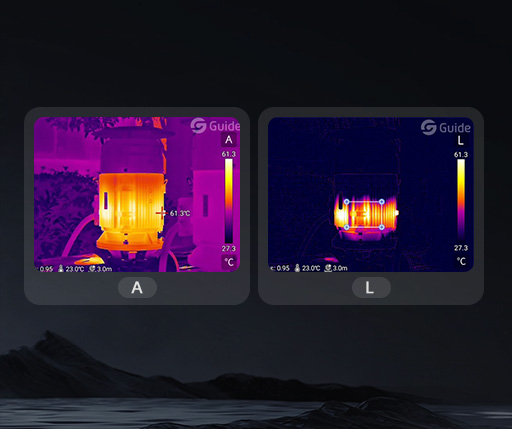
Thermal imaging cameras measure the infrared radiation emitted by objects and convert it into a visible thermal image.
In contrast to directly observing smoke or flames, thermal imaging cameras display temperature differences on the surfaces of objects.
Areas with higher temperatures appear as thermal anomalies, allowing firefighters to quickly identify areas where heat is still present.
This technology greatly simplifies the process of detecting concealed hotspots that are invisible to the naked eye.
Faster Post-Fire Inspections
After a fire, emergency responders must inspect large areas within a short timeframe.
Using firefighting thermal imaging cameras, responders can scan entire rooms, walls, ceilings, or damaged equipment without dismantling buildings.
This helps the team:
l Identify remaining hotspots quickly
l Minimize inspection time
l Improve search efficiency
l Focus attention on high-risk areas
Faster inspection speeds also allow follow-up remediation work to begin sooner.
Helping Prevent Fire Reignition
One of the biggest dangers after a fire is reignition.
Faint embers hidden within building materials can smolder slowly until they receive a sufficient supply of oxygen.
A thermal camera used for fire inspections helps identify these heat sources before they become open flames again.
By eliminating concealed hotspots early on, firefighters can significantly reduce the risk of secondary fires and enhance public safety.
Supporting Safe Fire Scene Overhaul Operations
The overhaul phase refers to the process of inspecting the fire scene for lingering hazards after the main fire has been extinguished.
Firefighters use portable thermal imaging cameras to inspect damaged areas without causing unnecessary demolition.
Personnel do not need to open up every wall or ceiling; instead, they can focus their efforts specifically on areas where thermal anomalies have been detected.
This approach saves time, minimizes property damage, and improves operational efficiency.
Suitable For a Wide Range of Fire Scenarios
Thermal cameras are powerful tools for responding to various types of fire incidents.
They are commonly employed in the following scenarios:
l Residential fires
l Warehouse fires
l Factory fires
l Automobile fires
l Forest fires
In all these situations, thermal imaging technology helps responders detect hidden heat sources that are difficult to spot with the naked eye.
Enhancing Safety at Fire Scenes
Hot zones can present hazardous working environments for firefighters and investigators.
By using high-performance thermal cameras for firefighting, emergency response teams can gain a more comprehensive understanding of the thermal distribution at the scene.
This information helps identify unstable structures, high-temperature areas, and locations requiring additional cooling before personnel enter.
Thermal imaging technology provides an additional layer of safety for post-fire operations.
Conclusion
So, can thermal cameras detect hotspots after a fire? The answer is yes. Thermal imaging technology is an effective tool for locating heat sources that persist even after visible flames have been extinguished.
By helping firefighters quickly identify hotspots, prevent rekindling, and conduct post-fire inspections more safely, thermal cameras have become an indispensable part of modern fire response and cleanup operations.


.svg)
.svg)