








How Can Acoustic and Thermal Imaging Cameras Improve Petrochemical Maintenance
Release Time 2026-07-04
The operation of petrochemical plants involves thousands of pieces of equipment, including piping, pumps, compressors, valves, electrical systems, storage tanks, and pressure vessels. Any unexpected failure can result in production shutdowns, product loss, safety hazards, or environmental contamination.
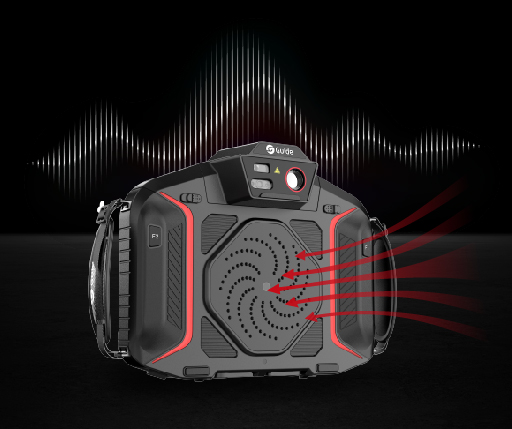
Traditional inspection tasks often require multiple tools to identify different types of issues. Today, acoustic and thermal imaging cameras combine thermal imaging with acoustic detection technology, enabling maintenance teams to detect problems such as abnormal temperatures, partial discharges, and gas leaks with just a handheld device.
This solution, which integrates two technologies, not only increases inspection efficiency but also reduces maintenance costs and safety risks.
Detecting Temperature Anomalies Before Equipment Failure Occurs
Many equipment failures begin with abnormal temperature changes.
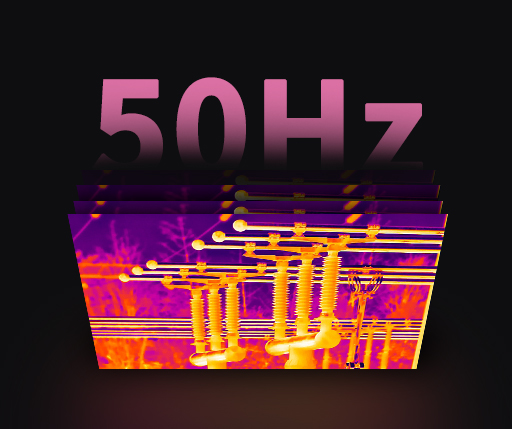
Using an acoustic and thermal camera, inspectors can visually observe heat distribution and quickly identify components operating outside normal temperature ranges.
Common inspection targets include:
l Pumps
l Motors
l Bearings
l Heat exchangers
l Electrical cabinets
l Process piping
Early detection of hotspots enables maintenance teams to address potential failures before they develop into costly breakdowns.
Detecting Gas Leaks Using Acoustic Technology
Gas leaks are among the most significant safety risks facing petrochemical plants.
Leaks in compressed air systems, steam lines, process gas piping, or pressure equipment are often invisible to the naked eye and hard to locate during routine inspections.
Acoustic imaging technology can detect the ultrasonic signals produced by gas leaks and visually display the leak's location on the screen.
Portable acoustic and thermal imaging cameras help technicians to quickly identify leaks without interrupting the production process.
Typical applications include:
l Compressed air leaks
l Steam leaks
l Process gas leaks
l Vacuum system leaks
l Leaks at pipe connections
Early leak detection reduces product loss and enhances plant safety.
Partial Discharge Localization in Power Systems
Petrochemical plants rely on high-voltage electrical equipment to ensure continuous production.
Electrical insulation defects often generate partial discharges before equipment failure occurs.
Acoustic and thermal imaging cameras for electrical inspection can detect ultrasonic signals generated by partial discharge while simultaneously identifying areas of abnormal heat.
This combined functionality enables maintenance teams to inspect the following equipment:
l Switchgear
l Transformers
l High-voltage cabinets
l Cable terminations
l Electrical connections
Early detection enables planned maintenance before electrical failures occur.
Improving Inspection Efficiency
Traditionally, technicians might need to carry various separate devices, including thermal imaging, ultrasonic detectors, and electrical diagnostic tools.
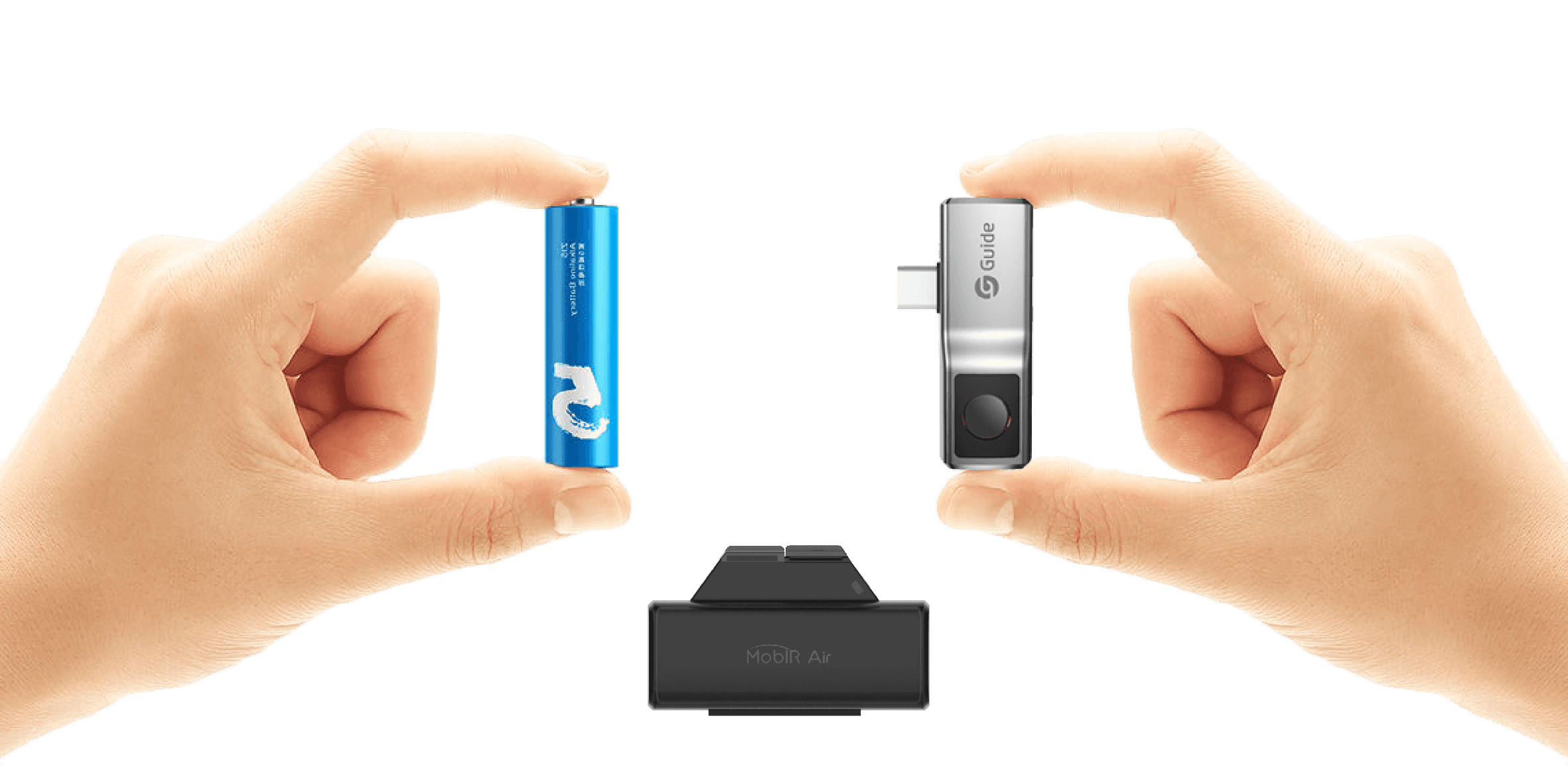
A dual-function acoustic and thermal camera combines these technologies into a single portable instrument.
This offers several advantages:
l Reduce the number of inspection tools
l Speed up inspections
l Simplify workflows
l Lower training requirements
l Improve inspection consistency
Maintenance teams can conduct more inspections within the same amount of time.
Supporting Predictive Maintenance Programs
Modern petrochemical plants are increasingly adopting predictive maintenance strategies.
Instead of passively waiting for equipment to fail, maintenance teams now regularly monitor equipment condition.
Handheld acoustic and thermal imaging cameras help identify various early warning signs, such as:
l Rising operating temperatures
l Minor gas leaks
l Partial discharge activity
l Mechanical problems
These early indicators enable maintenance planners to schedule repairs before failures cause production downtime.
Improving Worker Safety
Many inspection areas within petrochemical facilities involve high temperatures, high pressures, or hazardous gases.
By using portable acoustic and thermal imaging cameras, inspectors can perform various routine checks from a safe distance without coming into contact with operating equipment.
Non-contact inspection helps reduce the risk of worker exposure to hazardous environments while improving overall inspection safety.
Reducing Maintenance Costs
Unexpected downtime is costly.
Acoustic imaging and thermal imaging technologies can detect minor issues before they escalate into major failures, helping to reduce:
l Emergency repairs
l Equipment damage
l Production downtime
l Energy loss
l Maintenance labor costs
The cost of early maintenance is typically far lower than the cost of replacing damaged equipment.
Suitable for Various Types of Petrochemical Assets
Acoustic and thermal imaging cameras can be used throughout petrochemical facilities, including:
l Pipelines
l Compressors
l Pumps
l Pressure vessels
l Heat exchangers
l Electrical substations
l Process equipment
l Utility systems
Their versatility makes them highly valuable inspection tools for routine plant maintenance.
Conclusion
Acoustic and thermal imaging cameras combine two powerful inspection technologies, offering a smarter solution for the maintenance of petrochemical plants. Thermal imaging identifies abnormal temperature variations, while acoustic imaging detects partial discharges and gas leaks that are invisible to the naked eye.
By improving inspection efficiency, supporting predictive maintenance, reducing downtime, and improving workplace safety, acoustic and thermal imaging cameras have become indispensable tools for modern petrochemical maintenance.


.svg)
.svg)