








How Handheld Thermal Imaging Cameras Simplify Complex Visual Tasks
Release Time 2026-01-05
Many inspection and diagnostic tasks rely on visual observation by the human eye. However, in practical environments, sometimes the human eye's observational capabilities are limited. Factors such as insufficient lighting, structural obstructions, surface coverings, and moving objects can make visual assessment difficult or unreliable.
This is where handheld thermal imaging cameras change the way people work. By converting temperature differences into visible images, they simplify tasks that previously required experience, guesswork, or time-consuming testing.
Why does Visual Inspection Become Difficult in Practical Work?
In many technical fields, problems are not visible to the naked eye. Electrical faults, insulation gaps, fluid leaks, and mechanical stress often develop internally before any obvious signs appear.
Traditional visual inspection has several limitations:
It is highly dependent on the lighting conditions.
It cannot penetrate walls, panels, or casings.
It relies on personal experience and assumptions.
As systems become more complex, relying solely on visual observation leads to the potential of overlooking problems or drawing incorrect conclusions.
How does Thermal Imaging Technology Convert Heat into Visual Information?
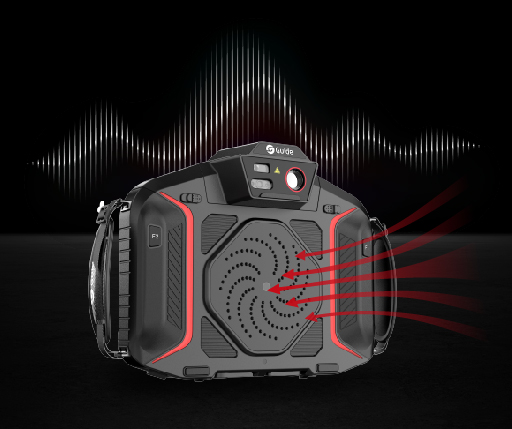
Handheld thermal imaging cameras work by detecting infrared radiation emitted by objects. This radiation is related to temperature, allowing the camera to differentiate between objects even if their surfaces appear identical to the naked eye.
This camera converts temperature differences into color patterns, allowing users to:
Instantly view hot and cold areas
Identify abnormal heat signatures
Contrast temperature distributions on various surfaces
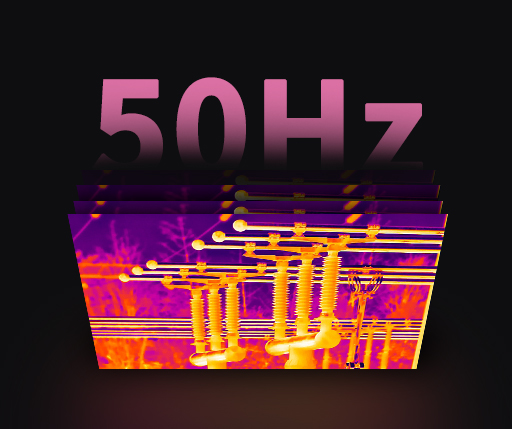
This process transforms invisible temperature data into clear visual information, reducing the need for manual interpretation or estimation.
Simplifying Electrical Inspections
Electrical systems are a common example of complex visual inspection tasks. Problems such as overheating connections, overloaded circuits, or component failures often appear perfectly normal from the outside.
Using a handheld thermal camera, inspectors can:
Quickly scan electrical panels without physical contact.
Identify hot spots indicating high resistance or overload.
Prioritize maintenance based on temperature differences.
Thermal imaging allows fast, non-invasive, and comprehensive inspection without the need to open each connection point or use multiple tools.
Making Building Inspections More Convenient
Building diagnostics often involve hidden problems. Issues such as insulation gaps, air leaks, and moisture intrusion are difficult to identify through visual inspection alone.
Infrared thermal imaging technology can simplify these inspections in the following ways:
Revealing heat loss through walls and roofs
Highlighting cold spots caused by poor insulation
Identifying temperature variations associated with dampness
This enables inspectors to move from assumption-based assessments to clear visual confirmation.
Improving Mechanical Equipment Fault Diagnosis
Mechanical systems generate heat during normal operation. The challenge lies in distinguishing between normal and abnormal heat.
Handheld thermal imagers assist in:
Showing uneven heat patterns in bearings or motors
Detecting friction caused by misalignment or wear
Monitoring temperature changes over time
Technicians no longer rely solely on sound or vibration, but now have visual references, leading to better decision-making.
Lowering the Skill Barrier to Perform Complex Tasks
Traditionally, many inspection tasks required years of experience to interpret subtle signs. Thermal imaging technology lowers this barrier.
Clear thermal images help to:
Train new technicians faster
Achieve more consistent inspection results
Facilitate communication between teams
Technicians can directly point out visible temperature differences without having to explain abstract concepts.
Speed and Efficiency in Field Work
In maintenance and inspection work, time pressure is a common challenge. Thermal imaging technology can significantly shorten inspection times.
Key efficiency advantages include:
Rapid scanning of large areas
Instant visual feedback
Reduced need for disassembly or downtime
Faster inspections mean less downtime and more optimized resource allocation.
Supporting a Proactive Maintenance Strategy
Preventive maintenance focuses on identifying problems before failures occur. Thermal imaging technology is ideally suited to this approach.
By regularly monitoring temperature changes, maintenance teams can:
Track subtle changes over time
Address problems before failures occur
Reduce unexpected breakdowns
Thermal imaging technology transforms maintenance from a reactive response to a proactive approach.
Improving Safety During Inspection Processes
Many inspection environments present safety risks, such as live electrical systems or high-temperature equipment.
Handheld thermal imagers can improve safety in the following ways:
Enabling non-contact measurements
Decreasing the risk of contact with hazardous components
Identifying dangerous hotspots before actual inspection
This helps protect both equipment and personnel.
Practical Applications Across Various Industries
The value of handheld thermal imaging cameras is demonstrated across multiple industries:
Electrical and power systems
Building and facility maintenance
Manufacturing and mechanical services
HVAC and energy management
In each of these areas, the camera visualizes information invisible to the naked eye, thereby simplifying complex visual tasks.
Conclusion
Handheld thermal imaging cameras have significantly transformed the way complex visual tasks are handled. By translating heat distribution into clear images, they reduce guesswork, shorten inspection times, and improve the accuracy of decision-making.
Users no longer need to rely solely on experience or guesswork, but can directly obtain visual evidence. This makes inspections more reliable, safer, and easier to repeat. As systems become increasingly complex, thermal imaging technology will continue to be a practical tool, helping people observe things invisible to the naked eye. Contact Guide Sensmart to learn more about handheld thermal imaging cameras.


.svg)
.svg)