








Using Intelligent Thermal Cameras for Real-Time Industrial Safety Monitoring
Release Time 2026-03-21
Industrial environments are fraught with potential risks. High temperatures, electrical equipment, heavy machinery, and continuous operations all increase the likelihood of accidents or equipment failure. To mitigate these risks, enterprises are increasing their investment in real-time monitoring technologies. One of the most effective tools available today is the intelligent thermal camera, especially handheld intelligent thermal cameras.
Unlike traditional thermal imaging devices, intelligent thermal cameras are able to automatically detect temperature fluctuations, analyze data, and provide immediate feedback. When utilized as handheld devices, they combine flexibility with real-time monitoring capabilities, making them ideal for industrial safety inspections.
Why Real-Time Safety Monitoring Is Crucial
In many industrial environments, issues can develop rapidly. Even a minor rise in temperature may signal a serious underlying hazard.
For instance:
lElectrical overheating may cause fires.
lMechanical friction may cause equipment damage.
lPoor ventilation can cause system temperatures to rise.
lInstability in process flows can result in overheating.
Failure to identify these issues early on can lead to equipment failure, downtime, or even safety incidents.
Real-time monitoring enables technicians to respond immediately, thereby effectively mitigating risks and improving safety levels.
What Makes a Thermal Imager "Intelligent"?
The capabilities of an intelligent thermal imager extend far beyond merely displaying thermal images. It integrates a range of intelligent features designed to enhance inspection efficiency:
lAutomatic temperature detection
lVisual alerts for abnormal high temperatures
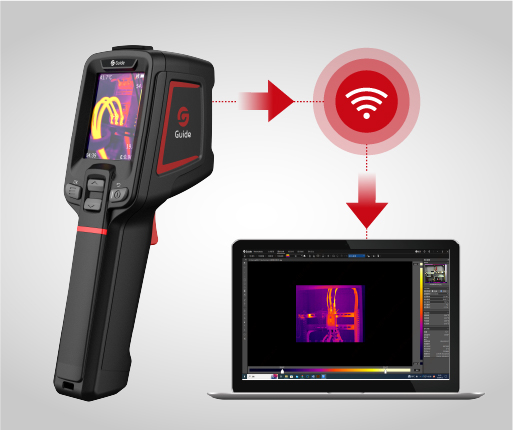
lImage capture and report generation
lSoftware-based data analysis
These capabilities enable technicians to quickly gain a comprehensive understanding of on-site conditions without the need for tedious manual interpretation.
Flexible On-Site Inspection of Critical Equipment
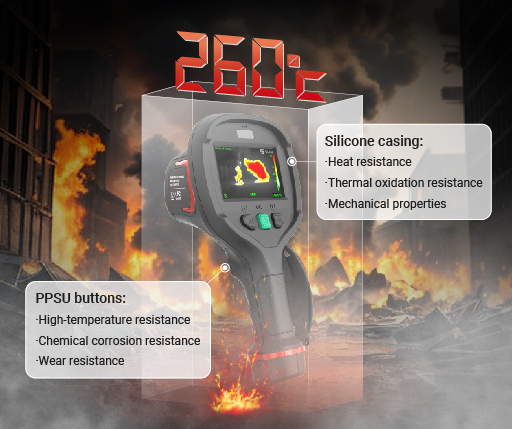
Intelligent thermal cameras are commonly used in industrial environments as handheld devices. This allows technicians to move freely and conduct inspections of various areas as needed.
With the aid of handheld thermal cameras, operators can inspect the following equipment:
lDistribution Panels
lMotors and Pumps
lConveyor Systems
lControl Cabinets
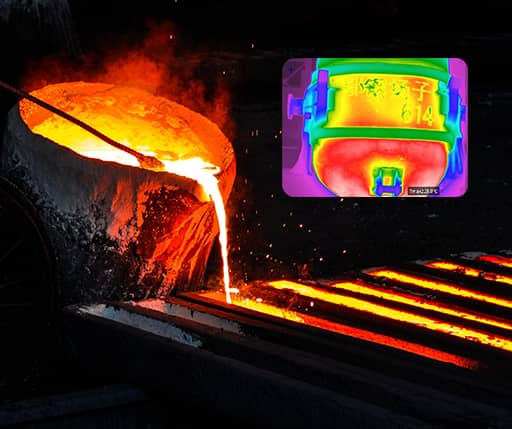
lHigh-Temperature Processing Equipment
This flexibility is particularly useful in large-scale facilities where equipment is dispersed across multiple locations.
Technicians can conduct inspections based on actual needs, without having to rely on fixed monitoring systems. If any anomalies be detected, a quick thermal scan allows them to immediately pinpoint overheating components.
This approach combines mobility with real-time detection, thereby making inspection work faster and more efficient.
Early Warning for Fire Hazards
In industrial environments, fire hazards constitute a major concern. Many fires are caused by the overheating of internal equipment components—hot spots that often go undetected by the naked eye during routine inspections.
By utilizing handheld intelligent thermal cameras, technicians can scan equipment to detect abnormal thermal patterns before they escalate into dangerous situations.
Examples include:
lOverheating electrical connections
lHeat accumulation resulting from mechanical friction
lHigh-temperature surfaces in storage or production areas
Once hot spots are detected, immediate measures can be taken to mitigate fire risks.
Improving Workplace Safety
Using handheld thermal cameras also helps protect workers.
Technicians can conduct inspections from a safe distance without needing to touch or get too close to high-risk equipment. This helps reduce the likelihood of exposure to the following risks:
lHigh temperatures
lElectrical hazards
lMoving machinery
By using thermal imaging technology for inspections, businesses can improve efficiency while creating a safer work environment.
Assisting with Maintenance and Inspection
Thermal cameras are commonly used for routine maintenance and inspection purposes.
Technicians can conduct periodic thermal imaging inspections to identify early signs of various issues, such as:
lLoose electrical connections
lCircuit overloads
lWorn mechanical parts
Since thermal cameras provide immediate feedback, issues can be detected and resolved rapidly.
This assists maintenance teams in transitioning from reactive maintenance to preventive maintenance, thereby reducing the occurrence of unexpected failures.
Reducing Downtime and Maintenance Costs
There is a close link between safety monitoring and equipment maintenance. Many safety hazards often serve as early warning signs of impending equipment failure.
By utilizing intelligent thermal cameras during inspection rounds, it is possible to identify temperature changes early on and prevent equipment failures.
This approach helps minimize:
lUnexpected equipment failures
lEmergency repair requirements
lProduction downtime
Over the long term, this strategy effectively enhances operational stability and reduces overall maintenance costs.
Conclusion
Intelligent thermal cameras serve as powerful tools for enabling real-time industrial safety monitoring. When used as handheld tools, they offer exceptional flexibility and rapid detection capabilities, providing practical and effective insights for routine inspection tasks.
By identifying temperature anomalies at an early stage, these thermal cameras help prevent safety incidents, minimize downtime, and enhance the efficiency of maintenance operations. As safety standards within industrial environments continue to rise, handheld intelligent thermal cameras are becoming an indispensable component of modern inspection workflows. As the professional intelligent thermal camera manufacturer, Guide Sensmart is committed to delivering reliable and high-performance thermal imaging solutions for industrial safety and inspection.


.svg)
.svg)