








How High-Performance Thermal Cameras Improve Industrial Inspection Accuracy
Release Time 2026-04-01
In modern industry, detection accuracy is crucial for maintaining equipment reliability and minimizing unplanned downtime. Tiny temperature changes often foreshadow early failures, but these problems are usually not visible to the naked eye. This is where a high-performance thermal camera becomes an essential tool.
By utilizing advanced imaging capabilities and precise temperature measurement accuracy, high-performance thermal cameras enable technicians to detect issues earlier, make more informed decisions, and enhance overall inspection quality.
What Makes a Thermal Camera “High-Performance”?
Not all thermal cameras are created equal. High-performance thermal cameras come with advanced hardware configurations and more intelligent features, enabling them to deliver more precise and reliable inspection results.
Their core capabilities typically include:
l High thermal resolution, producing sharper images
l Greater temperature sensitivity
l A wider temperature measurement range
l Sophisticated image processing and analysis tools
l Stable performance, even in harsh environments
Because of these features, users can detect even the slightest temperature differences—variations that standard thermal cameras might otherwise miss.
Detecting Subtle Temperature Anomalies
One of the greatest advantages of utilizing high-performance thermal imaging cameras for industrial inspection is the ability to detect subtle temperature anomalies.
In many instances, incipient faults result in only minute temperature variations. For example:
l A loose electrical connection may create a small hotspot
l A worn bearing may generate minimal heat before failure
l Damaged insulation may cause a small variation in temperature
High-performance devices are able to clearly capture these minute differences, thereby assisting technicians in taking corrective action before issues escalate into serious failures.
Improving the Accuracy of Electrical System Inspection
Electrical systems are one of the most common applications of thermal imaging technology. In this field, inspection accuracy is crucial because overheating of components can cause equipment malfunctions and even pose fire hazards.
By using high-quality thermal cameras for electrical inspection, technicians can:
l Identify overheating cables and connections
l Detect load imbalances
l Locate faulty components within distribution cabinets
l Monitor transformers and switchgear
With clearer images and precise data, inspection results become more reliable, thereby reducing the likelihood of missing faults.
Enhancing Industrial Equipment Monitoring
Thermal cameras can be used to monitor not only electrical equipment but also other mechanical and industrial equipment.
Specific applications include:
l Motors and Pumps
l Conveyor Systems
l Production Machinery
l HVAC Systems
High-performance industrial thermal cameras help ensure that equipment operates within safe temperature ranges. By identifying abnormal thermal distribution patterns, technicians can prevent equipment failure and maintain continuous, stable production.
Supporting Predictive Maintenance Strategies
Predictive maintenance is gradually becoming a standard practice in modern industry. Rather than waiting for equipment to fail, enterprises are focusing on detecting potential issues at an early stage.
High-performance thermal cameras offer accurate temperature data, thereby providing reliable data to support this strategy. By regularly scanning equipment, technicians can track changes over time and identify potential trends.
This helps to:
l Reduce unplanned downtime
l Optimize maintenance scheduling
l Extend the life of equipment
l Lower repair costs
Accurate inspection data serves as the cornerstone for implementing efficient predictive maintenance.
Minimizing Human Error in Inspections
Manual inspections rely heavily on human judgment, which often leads to errors or inconsistent results. High-performance thermal imaging cameras effectively mitigate this risk by providing intuitive and quantifiable data.
Leveraging features such as automated temperature analysis, image comparison, and reporting tools, technicians are able to make more objective decisions. This not only improves the consistency of inspection work but also ensures more comprehensive documentation.
Efficient Operation in Harsh Environments
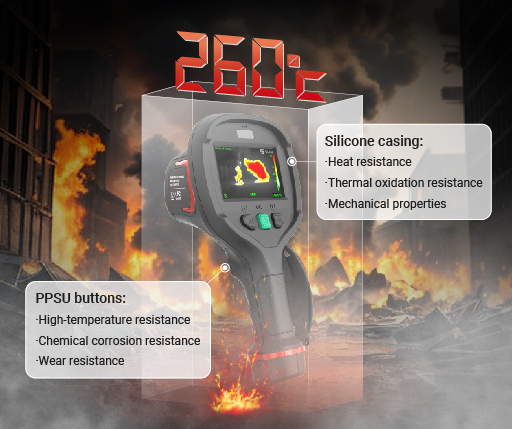
Industrial environments are often fraught with challenges—characterized by adverse factors such as dust, high temperatures, and limited visibility. High-performance thermal cameras are specifically engineered to withstand these conditions, ensuring stable and reliable operation even in the most demanding settings.
Applicable scenarios include:
l Low-light or total darkness environments
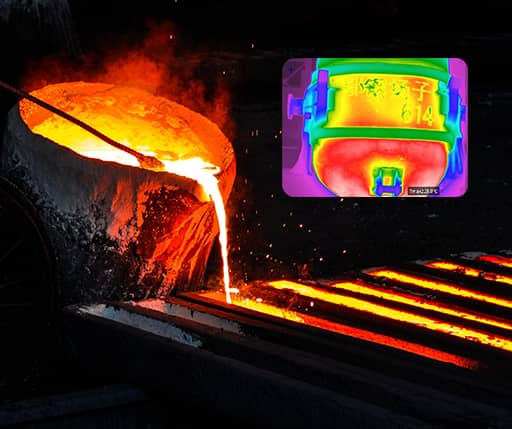
l High-temperature industrial sites
l Outdoor facilities
This high degree of versatility ensures that precise detection can be achieved regardless of the prevailing environmental conditions.
Conclusion
High-performance thermal cameras play a key role in improving inspection accuracy. Leveraging advanced imaging technology, precise temperature detection capabilities, and reliable performance, they empower technicians to identify issues at an early stage and make more informed maintenance decisions.
By adopting thermal imaging technology, industries can enhance safety, minimize downtime, and significantly improve operational efficiency.


.svg)
.svg)