








Thermal Camera Maintenance Guide: How to Keep Thermal Imaging Cameras Accurate and Reliable
Release Time 2026-06-24
Thermal imaging cameras are invaluable tools in fields such as industrial inspection, electrical maintenance, firefighting, building diagnostics, and scientific research. Like other precision instruments, they require regular maintenance to ensure accurate temperature measurement and reliable performance, as well as to increase their service life.
Without proper maintenance, factors such as dust, moisture, impact, and improper storage can affect image quality and measurement accuracy. In this article, you will learn how to maintain your thermal imaging device to ensure it remains in optimal operating condition.
Keep the Infrared Lens Clean
The infrared lens is one of the most critical parts of a thermal imaging camera.
Dust, fingerprints, oil, and dirt on the lens can reduce image clarity and affect temperature measurement performance.
To safely clean the lens, follow these steps:
l Use a soft lens brush to remove dust
l Gently wipe with a microfiber cloth
l If necessary, use an approved lens cleaning solution
l Do not use abrasive materials or paper towels for lens cleaning
Regular lens cleaning helps maintain the clarity of the thermal image and the accuracy of temperature readings.
Prevent Physical Damage to Thermal Imaging Cameras
Although many professional thermal cameras are made for industrial environments, they remain precision instruments.
To prevent damage, observe the following precautions:
l Avoid dropping the device
l Use a protective carrying case
l Secure the thermal camera properly during transport
l Avoid subjecting the device to severe vibration
Physical impact can affect internal components, the image sensor, or calibration accuracy.
Proper handling helps increase the service life of the device.
Keep the Thermal Camera in a Suitable Environment
Storage conditions can significantly affect thermal imaging equipment.
When the thermal imaging camera is not in use:
l Store it in a dry place
l Avoid high humidity
l Do not expose to direct sunlight
l Prevent exposure to extreme temperatures
Prolonged exposure to harsh environmental conditions may shorten the lifespan of precision electronic components.
A controlled storage environment helps maintain the reliability of the equipment.
Regularly Check Battery Health
Most portable thermal imaging cameras use rechargeable batteries.
Battery condition directly affects inspection efficiency.
Good battery maintenance habits include:
l Charging according to the manufacturer's recommendations
l Avoiding complete battery depletion whenever possible
l Removing the battery during long-term storage, if recommended
l Checking for signs of battery damage or swelling
A battery in good condition ensures reliable inspection operations.
Keep Software and Firmware Up to Date
Modern thermal cameras often feature advanced software capabilities.
Manufacturers regularly release updates designed to improve:
l Temperature measurement accuracy
l Image processing performance
l Device stability
l Security features
l Report generation capabilities
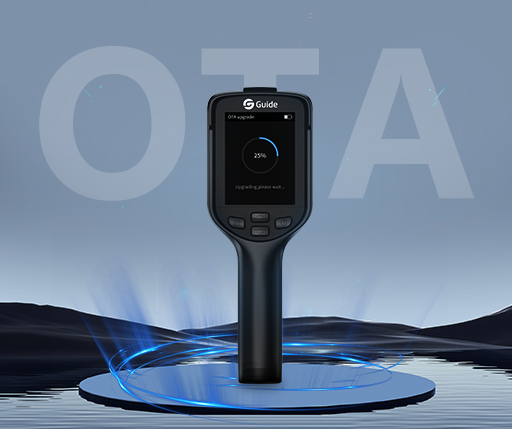
Updating firmware and software helps ensure the thermal camera operates with the latest improvements.
Always follow the official update instructions recommended by the manufacturer.
Verify Calibration and Measurement Accuracy
Precise temperature measurement is one of the main reasons for using thermal cameras.
Over time, environmental conditions and daily use can affect measurement performance.
For critical applications, it is vital to:
l Perform routine accuracy checks
l Compare readings against a known temperature reference
l Follow a calibration schedule
l Use authorized calibration services when needed
Regular calibration helps ensure confidence in thermal imaging inspection results.
Prevent Moisture and Condensation Problems
Thermal imaging equipment can be affected by sudden temperature changes.
Moving the camera from a cold environment to a warm area may cause condensation to form on the lens or internal components.
To minimize this risk, please take the following measures:
l Allow the camera to gradually adjust to temperature changes
l Use a protective carrying case
l Keep the device dry after outdoor use
l Do not expose the camera to humid environments
Preventing condensation helps protect sensitive infrared components.
Check Accessories and Connections
Thermal imaging cameras typically rely on various accessories, such as:
l Batteries
l Chargers
l Memory cards
l Data cables
l External displays
Please make sure that these accessories are in good condition.
Accessory malfunctions can lead to data loss, charging issues, or interruptions in detection.
Simple checks help prevent unexpected operational failures.
Develop a Preventive Maintenance Plan
The most effective maintenance strategy is to establish a schedule for regular inspections.
Maintenance records should include:
l Cleaning dates
l Battery checks
l Calibration records
l Software updates
l Equipment condition checks
A preventive maintenance plan helps identify potential issues before they become serious.
Conclusion
Proper thermal camera maintenance is essential for ensuring measurement accuracy, image quality, and long-term reliability. Regular lens cleaning, battery care, firmware updates, calibration verification, and proper storage practices can significantly extend the service life of thermal imaging cameras.
Whether using portable thermal imaging cameras for industrial inspections, electrical diagnostics, building surveys, or firefighting operations, a proactive maintenance program helps maximize the device performance and extend its service life.


.svg)
.svg)